



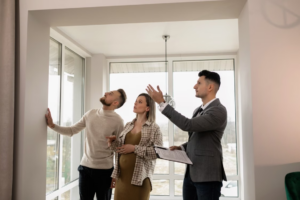



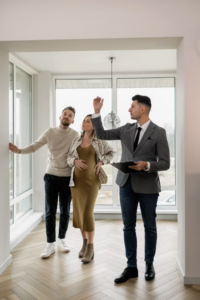
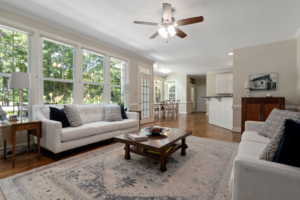




Touring homes is one of the most exciting parts of the buying process. Walking through rooms, imagining furniture placement, and visualizing daily life in a new space can make the experience memorable. However, the excitement of visiting multiple properties often causes buyers to focus on surface-level details like décor, paint colors, and staging rather than evaluating the deeper elements that affect long-term comfort and cost.
A well-prepared home tour checklist can help buyers slow down and look beyond appearances. Structural integrity, lighting conditions, noise levels, storage capacity, and hidden maintenance concerns are just a few of the details that can easily be overlooked during a quick showing.
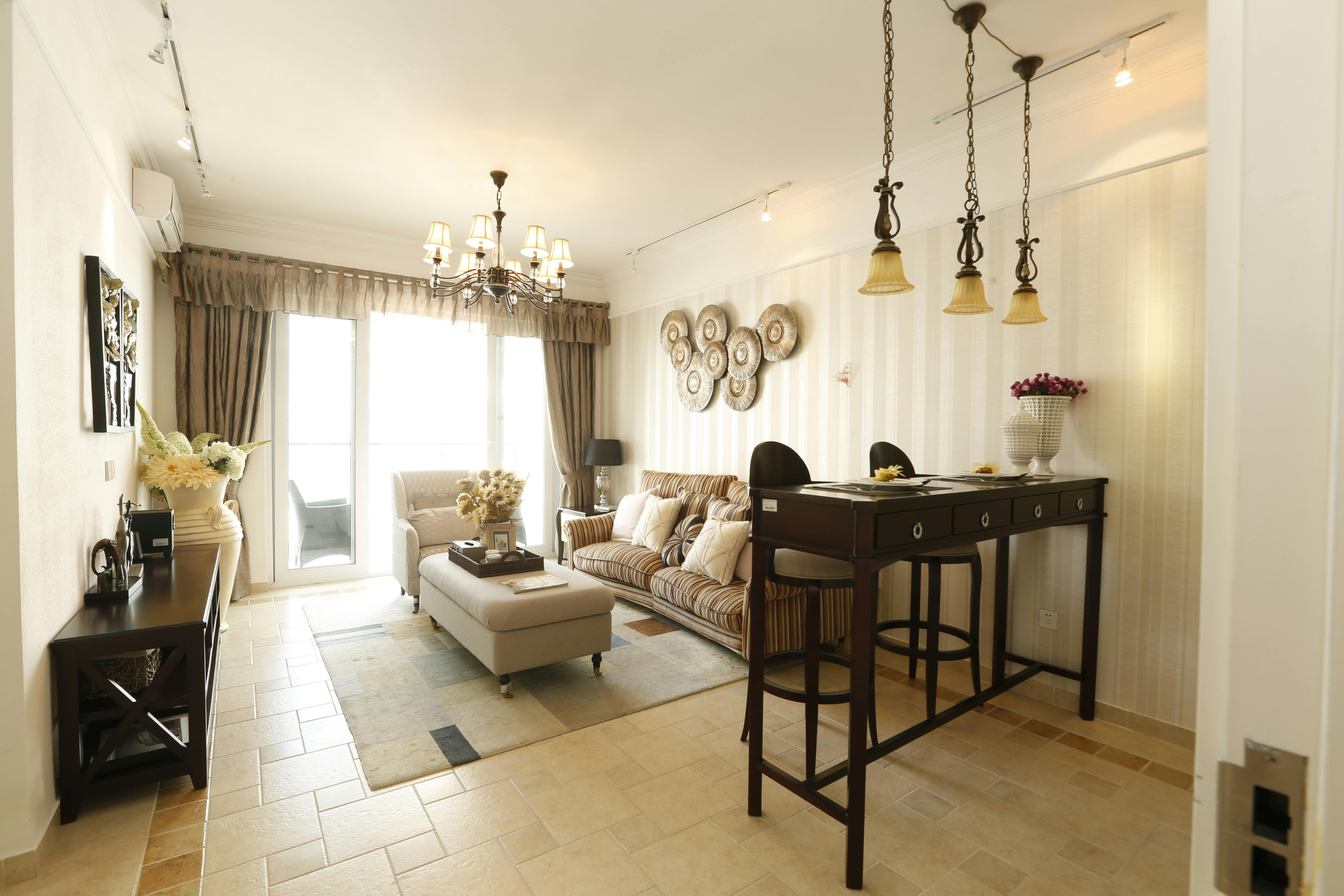
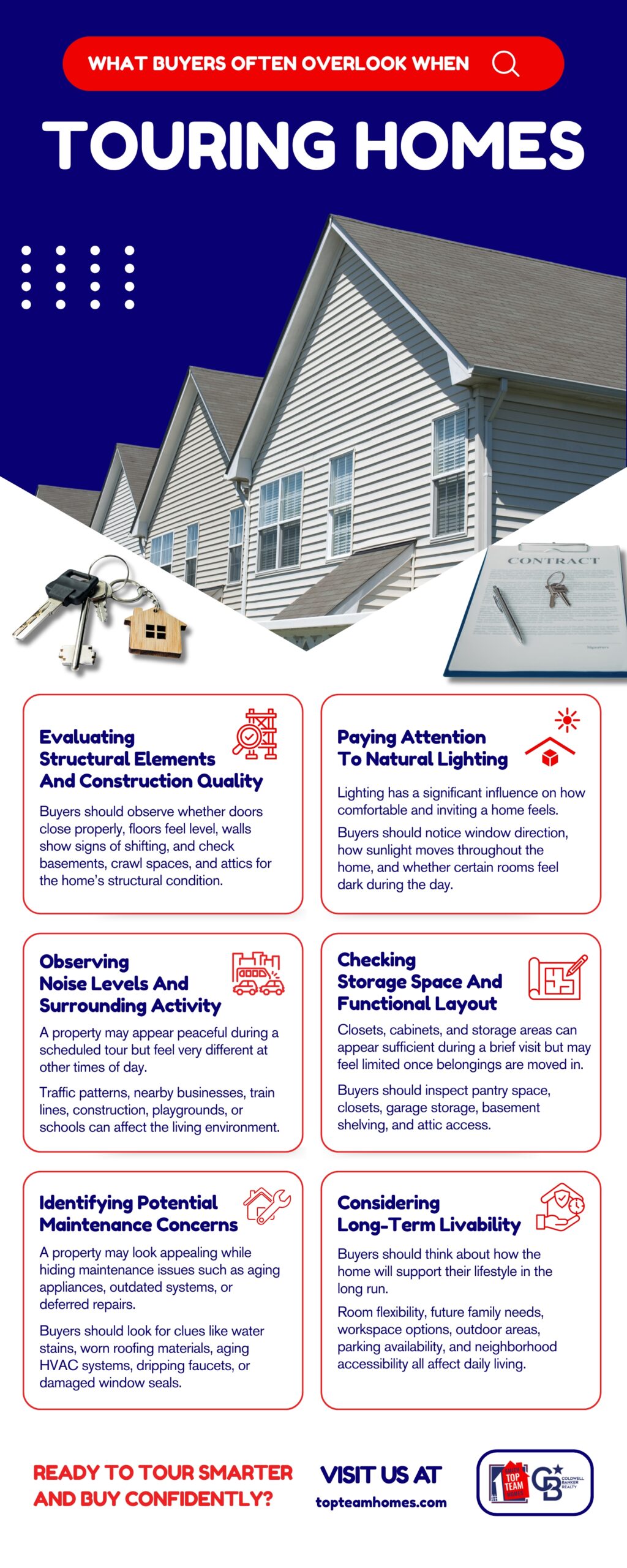
Evaluating Structural Elements and Construction Quality
Structural elements are among the most important features to examine during a home tour, yet they are often overlooked during quick visits. Buyers may notice the paint on the walls but miss signs of foundation issues, uneven flooring, or ceiling cracks.
When touring a property, it is helpful to observe whether doors close properly, floors feel level, and walls show signs of shifting. Checking areas such as basements, crawl spaces, and attics can also reveal information about the home’s structural condition.
Many experienced real estate agents encourage buyers to observe these details early in the process so they can identify potential concerns before moving forward with inspections or offers.

Paying Attention to Natural Lighting
Lighting has a significant influence on how comfortable and inviting a home feels. Buyers should notice the direction windows face, how sunlight moves throughout the home, and whether certain rooms feel dark even during the day. Natural light can affect mood, energy use, and the overall atmosphere of a living space.
Homes with bright, well-lit interiors tend to feel more welcoming and may provide greater long-term comfort, which is something many real estate experts frequently highlight when evaluating properties.
Observing Noise Levels and Surrounding Activity
Another detail buyers frequently overlook is neighborhood noise. A property may appear peaceful during a scheduled tour but feel very different at other times of day.
Traffic patterns, nearby businesses, and neighborhood activity can all affect the living environment. Buyers should listen for sounds such as road traffic, train lines, construction, or nearby commercial activity. Even playgrounds or schools may create noise during certain hours.
Professionals like local real estate agents often suggest visiting the area at different times—morning, afternoon, and evening—to gain a clearer understanding of the surroundings.
Checking Storage Space and Functional Layout
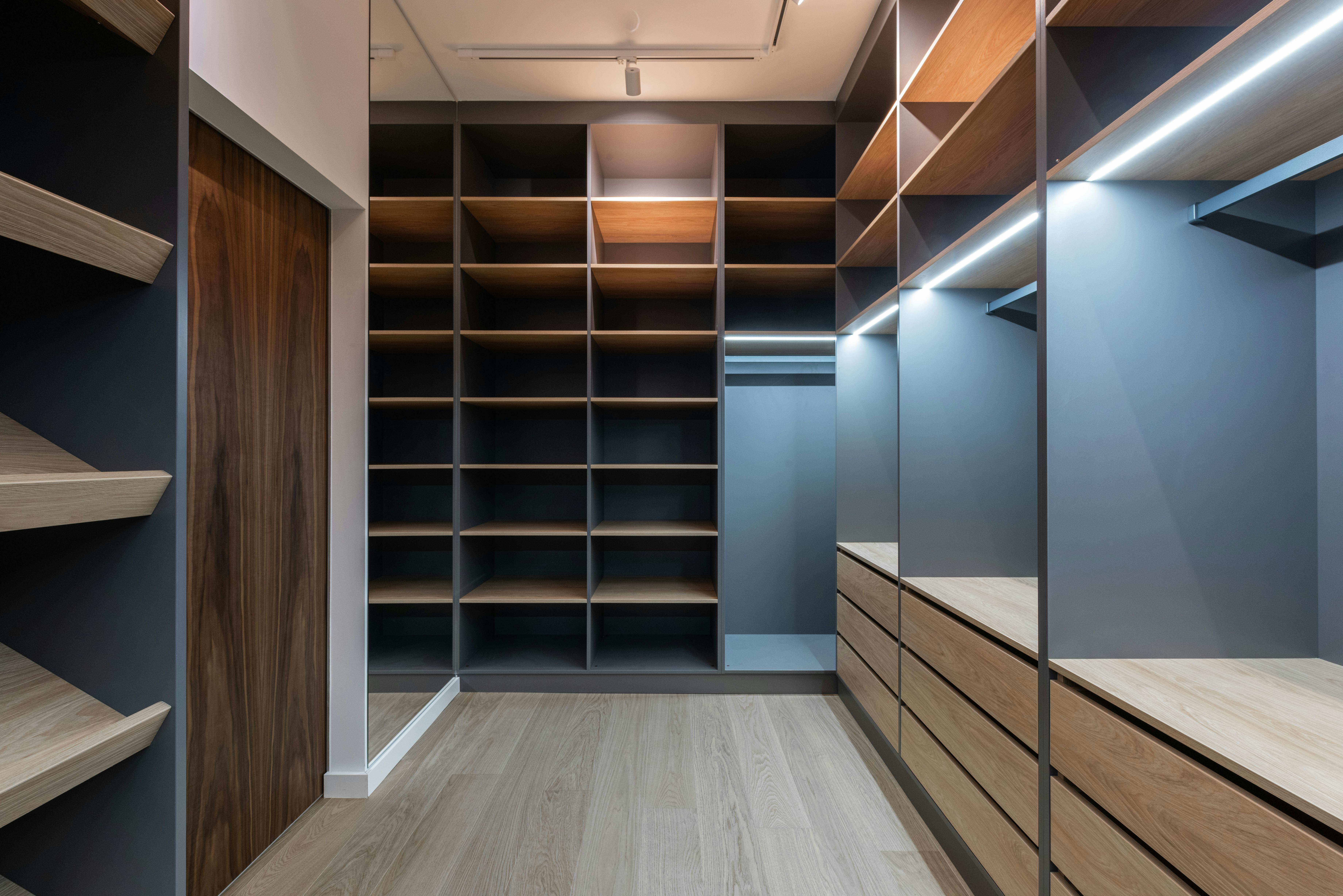
Storage is another feature buyers sometimes underestimate while touring homes. Closets, cabinets, and storage areas can appear sufficient during a brief visit but may feel limited once daily belongings are moved in.
When touring a property, buyers should open closets, inspect pantry space, and consider whether the home offers enough storage for seasonal items, household supplies, and personal belongings. Garage storage, basement shelving, and attic access can also play a role in overall functionality.
According to top real estate agents, buyers who carefully evaluate storage during tours are less likely to experience frustration after moving in.
Identifying Potential Maintenance Concerns
A property may look appealing at first glance while quietly hiding maintenance issues. Signs of aging appliances, outdated systems, or deferred repairs can indicate future costs that buyers should consider.
During a tour, buyers can look for clues such as water stains, worn roofing materials, or aging HVAC systems. Even small indicators like dripping faucets or damaged window seals may point to maintenance needs that require attention.
Experienced professionals such as real estate brokers often encourage buyers to note these observations during the tour so they can ask questions or request further inspections later.
Considering Long-Term Livability
Beyond visual appeal, buyers should think about how the home will support their lifestyle in the long run. Factors such as room flexibility, future family needs, and workspace options may influence whether the property continues to meet their needs over time.
For example, an extra room may serve as a home office, guest room, or hobby space depending on future priorities. Outdoor areas, parking availability, and neighborhood accessibility also affect daily living.
Making Smarter Decisions during Home Tours
Touring homes should be exciting, but it should also be thoughtful and informed. When buyers take time to evaluate structural details, lighting, noise levels, storage, and maintenance needs, they gain a clearer picture of the property’s true value.
At Smith Top Team Realtors, we believe that buying a home should feel both exciting and confident. From reviewing property listings in Harrisburg, to evaluating options like property for sale in York Haven, we guide buyers through every step of the journey.
When buyers are looking to purchase a home, having guidance from knowledgeable real estate professionals can make the entire process easier and help them make more informed decisions.
To discuss your goals and explore available opportunities, reach out today and let’s start finding the right home together.
FAQs
1. Why should buyers use a home tour checklist?
A home tour checklist helps buyers stay organized and ensures they evaluate important details such as structural elements, lighting, and storage rather than focusing only on décor.
2. What structural issues should buyers look for during a tour?
Buyers should check for uneven floors, wall cracks, doors that don’t close properly, and signs of water damage, which may indicate deeper structural concerns.
3. How can buyers evaluate natural lighting in a home?
Buyers should observe window placement, the direction the home faces, and how sunlight enters rooms during the day.
4. Why is neighborhood noise important to consider?
Noise from traffic, businesses, or community activity can significantly affect daily comfort, making it important to visit the area at different times.
5. What maintenance issues are commonly overlooked during tours?
Buyers often miss aging appliances, outdated HVAC systems, roof wear, and plumbing issues that may lead to future repair costs.