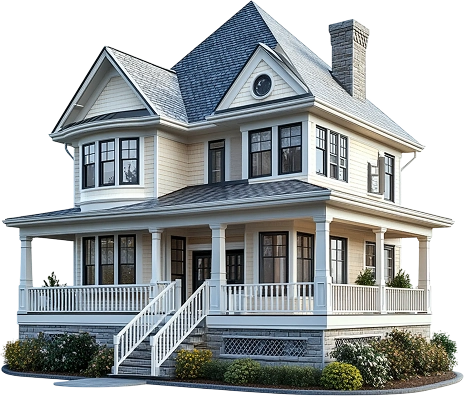









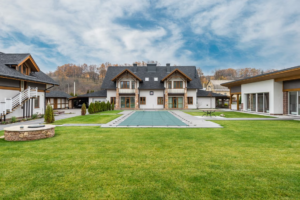


Choosing where to live is one of the most meaningful decisions a person or family can make. While newly developed communities often attract attention with modern amenities and brand-new construction, many homebuyers eventually discover that established neighborhoods offer advantages that go far beyond first impressions. These mature areas tend to have deeper roots, stronger community identity, and long-term stability that new developments may take years to achieve.
Established neighborhoods are typically defined by homes that have stood the test of time, mature trees lining the streets, and infrastructure that has already proven reliable. Residents often enjoy walkable streets, nearby services, and a sense of familiarity that makes everyday life easier. For many buyers, the appeal lies not only in the homes themselves but also in the atmosphere and predictability these neighborhoods provide.
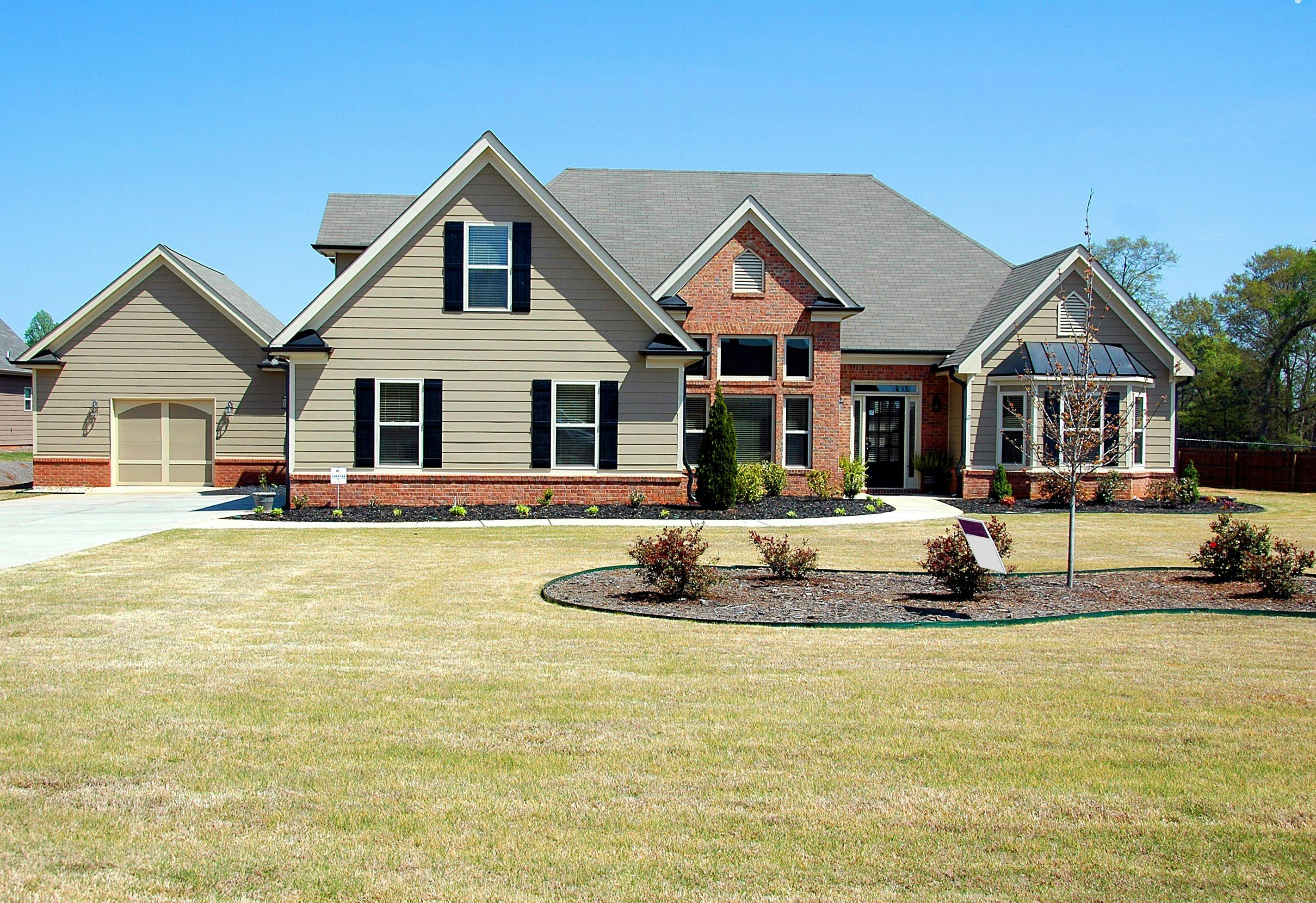
Long-Term Value and Stability in the real estate market
One of the most compelling advantages of established neighborhoods is the long-term stability they often offer in terms of property value. Unlike new developments that may still be defining their reputation, mature communities have a track record. Buyers can review historical trends, observe how homes have appreciated over time, and better understand the area’s market behaviour.
Stable property values are frequently the result of several factors working together. Established neighborhoods typically have consistent demand because people recognize the benefits of living in areas with proven livability. Schools, parks, and services are already functioning and well known, which reduces uncertainty for prospective buyers.
Another reason these neighborhoods hold value well is their limited supply. Unlike new subdivisions where multiple homes may be built at once, established areas rarely see large waves of new construction. This limited inventory helps maintain steady demand, particularly when the neighborhood is desirable.
Buyers often appreciate the predictability that comes with such areas. They can observe how similar homes have sold over the years, how renovations affect property values, and how community improvements influence pricing. This type of insight allows for more confident purchasing decisions.
Ultimately, the stability seen in areas associated with the real estate market reflects a broader trend found in many mature communities. When neighborhoods have strong reputations and consistent demand, they tend to remain attractive options for both homeowners and future buyers.

Reliable Infrastructure and Services with local real estate agents
Another often overlooked advantage of established neighborhoods is the infrastructure that has already been built, tested, and refined over time. Roads, utilities, drainage systems, and public services have typically been in place for years, meaning residents benefit from systems that are already functioning effectively.
New developments may take time to fully establish their infrastructure. Schools may still be expanding, roads might still be under construction, and nearby retail areas may not yet exist. In contrast, mature neighborhoods usually offer immediate access to everyday necessities such as grocery stores, medical facilities, parks, and public transportation.
Residents in these communities also benefit from established municipal services. Waste collection schedules, street maintenance, and public safety systems are already structured and reliable. The community has had time to adapt to residents’ needs and refine how services are delivered.
Accessibility is another major benefit. Mature neighborhoods are often closer to city centers, business districts, or established commercial corridors. This can make commuting easier and reduce travel times for everyday errands.
Professionals such as local real estate agents often highlight this advantage because buyers sometimes underestimate how important infrastructure can be for long-term convenience and quality of life. When systems are already in place and functioning smoothly, residents can focus on enjoying their homes rather than waiting for communities to develop around them.

Spacious Lots and Thoughtful Layouts with real estate
Older neighborhoods frequently feature larger lots and more thoughtful property layouts compared to many newer developments. Over time, land values and construction costs have increased, which means modern builders often design smaller lots in order to maximize available space.
In contrast, homes in mature neighborhoods often sit on more generous parcels of land. These larger lots can offer greater privacy, more outdoor space, and opportunities for gardens, patios, or recreational areas. For families or homeowners who enjoy outdoor living, this extra space can significantly enhance daily life.
Beyond lot size, established communities often benefit from more varied architectural styles. Homes may have been built across several decades, creating visual diversity and unique character throughout the neighborhood. This variety can make the area feel more personal and less uniform than newer developments where houses may follow similar designs.
Street layouts are another difference. Many older neighborhoods were designed with pedestrian-friendly streets, mature trees, and community gathering spaces in mind. These design choices often contribute to a sense of calm and charm that newer subdivisions may take time to develop.
When exploring real estate options, buyers frequently notice these characteristics immediately. The combination of space, design diversity, and established landscaping can create a living environment that feels more comfortable and timeless.
Mature Landscaping and Natural Beauty with real estate
One of the most visually striking features of established neighborhoods is mature landscaping. Trees that have grown for decades create shaded streets, seasonal colour, and a sense of natural beauty that simply cannot be replicated overnight.
Landscaping plays a significant role in how a neighborhood feels. Mature trees help regulate temperatures by providing shade during warmer months and contributing to a pleasant outdoor environment. They can also enhance privacy between homes, making outdoor spaces feel more secluded and relaxing.
Beyond aesthetics, mature landscaping can also support environmental benefits. Trees and established vegetation contribute to improved air quality, storm water absorption, and overall ecological balance within a community. These natural elements make neighborhoods more comfortable and sustainable over time.
Gardens, hedges, and long-established lawns also reflect the care homeowners have invested in their properties over the years. This sense of pride often contributes to a well-maintained neighborhood environment that attracts new buyers and encourages long-term residency.

Community Character and Neighbourhood Identity with realtors
Beyond physical features, established neighborhoods often develop a unique community character. Residents who have lived in the area for years contribute to traditions, social connections, and a shared sense of identity that makes the neighborhood feel like more than just a collection of homes.
Community character can be expressed in many ways. Local events, neighbourhood gatherings, and informal social networks often develop naturally over time. Long-term residents may know each other well, creating a welcoming environment for newcomers.
Schools, parks, and community organizations also play a role in strengthening neighbourhood bonds. These institutions become familiar parts of daily life, helping residents feel connected to the area and invested in its future.
The architectural diversity of established neighborhoods also contributes to their identity. Homes with unique designs, historic features, or distinctive materials help create a sense of individuality that can be difficult to replicate in newly built communities.
Real estate professionals often observe that buyers are drawn to neighborhoods where this sense of character is already visible. People want to live in places that feel authentic and lived-in, where the environment reflects years of shared experiences and community pride.
Consistent Housing Demand and Buyer Confidence with property listings
Established neighborhoods often maintain consistent demand because their advantages are widely recognized. Buyers know what to expect when considering these areas, which helps build confidence during the home-buying process.
A key factor behind this steady demand is reputation. Mature neighborhoods have had time to build credibility through positive experiences shared by homeowners. Word-of-mouth recommendations, stable property values, and visible community upkeep all contribute to this reputation.
Another advantage is predictability. Prospective buyers can easily compare similar homes, review past sales data, and understand the factors that influence property values in the area. This transparency helps reduce uncertainty and supports informed decision-making.
Additionally, established neighborhoods often remain attractive across different life stages. Young professionals, growing families, and retirees may all find reasons to live in these areas because of their convenience, accessibility, and established amenities.
For those browsing property listings, it is common to notice that homes in mature neighborhoods continue to attract attention. Even as new developments emerge, many buyers still prefer communities that already demonstrate long-term appeal.

Long-Term Livability and Everyday Comfort with real estate
Ultimately, one of the greatest advantages of established neighborhoods is their long-term livability. These communities have evolved over time to support everyday comfort, convenience, and stability for residents.
Livability includes many factors working together. Walkable streets, nearby services, accessible parks, and reliable infrastructure all contribute to a lifestyle that feels practical and enjoyable. Residents can often complete daily tasks without traveling long distances, which simplifies routines and saves time.
Noise levels and traffic patterns are also typically more predictable in mature neighborhoods. Roads and commuting patterns have stabilized over the years, which helps residents understand what to expect throughout the day.
Another element of livability is emotional connection. People often develop strong attachments to neighborhoods that feel established and familiar. The combination of natural beauty, community identity, and reliable amenities can make these areas feel like lasting homes rather than temporary stops.
Communities with valuable real estate often illustrate how thoughtful planning and long-term growth contribute to neighborhoods that remain appealing for decades.

Finding the Right Neighborhood for Your Future
Choosing the right neighborhood is about more than just the house itself—it’s about finding a place that supports your lifestyle and long-term plans. As part of Smith Top Team Realtors, we help buyers navigate opportunities across established communities while understanding how the Camp Hill real estate market continues to attract people looking for stability and long-term livability.
Whether you are exploring real estate in Harrisburg, PA, or comparing options in surrounding communities like Carlisle, PA, having the right insight can make the process clearer and more confident. If you’re ready to explore available opportunities and take the next step toward your next home, reach out today and let’s start the conversation about what neighborhood might be the right fit for you.
FAQs
1. What defines an established neighborhood?
An established neighborhood typically includes homes that have been built for many years, mature landscaping, developed infrastructure, and a stable community environment.
2. Do established neighborhoods usually have higher property values?
Not necessarily higher, but they often demonstrate more stable property values because demand and historical trends are easier to evaluate.
3. Why do mature neighborhoods often have larger lots?
Many older communities were developed when land costs were lower, allowing builders to design homes with more generous lot sizes and outdoor space.
4. Are established neighborhoods better for long-term living?
They can be appealing for long-term living because they typically offer reliable infrastructure, consistent amenities, and strong community identity.
5. Why do buyers still choose older neighborhoods over new developments?
Many buyers value the character, mature landscaping, larger lots, and proven stability that established neighborhoods provide.