










Homebuyers often look beyond the property itself and focus on the surrounding area. The concept of established neighborhood home value plays a major role in long-term investment decisions, especially for those working with real estate agents who understand local market trends. Established neighborhoods tend to maintain consistent property values due to a combination of location advantages, community stability, and buyer confidence. These areas offer a sense of predictability that appeals to both homeowners and investors.
The Power of Community Reputation
One of the strongest factors behind long-term value is community reputation. Established neighborhoods have had time to build a recognizable identity, often associated with safety, reliability, and consistent upkeep. Buyers feel more confident purchasing in areas where the reputation has been shaped over years rather than months.
A well-regarded neighborhood attracts steady interest, which helps maintain property values even during market fluctuations. Positive word-of-mouth, long-term residents, and visible pride in ownership all contribute to this reputation, reinforcing buyer demand over time.
School Districts and Their Lasting Influence
School districts play a major role in determining home value, especially in established communities. Homes located near highly rated schools often see stronger demand, as families prioritize education when choosing where to live.
Unlike newer developments where school performance may still be developing, established neighborhoods typically have a proven track record. This consistency reassures buyers and supports higher resale values.
Access to Amenities and Infrastructure
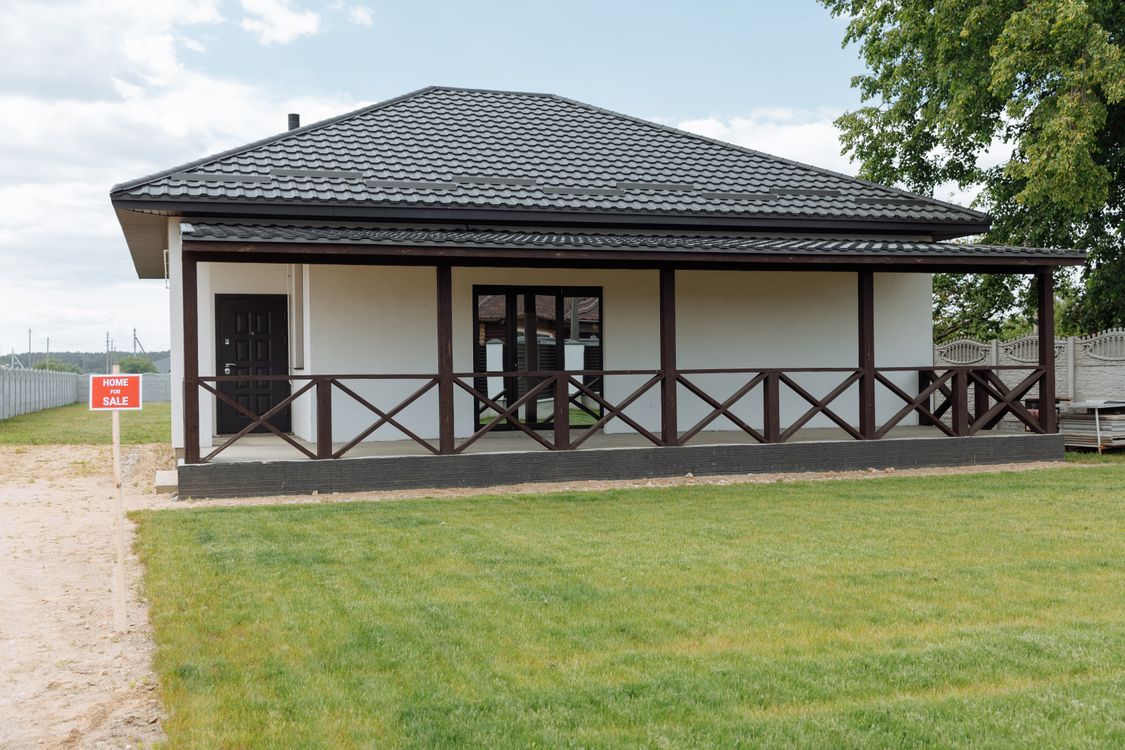
Established neighborhoods often benefit from well-developed infrastructure and nearby amenities. These can include parks, shopping centers, restaurants, healthcare facilities, and public transportation options. Over time, these features become integrated into daily life, making the area more convenient and appealing.
Newer communities may promise future amenities, but established neighborhoods already offer them. This immediate access adds to the overall value of the property and increases buyer interest.
Larger Lots and Mature Landscaping
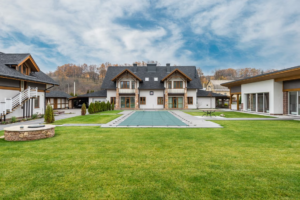
Another advantage of established neighborhoods is the presence of larger lot sizes and mature landscaping. Older developments were often built with more space between homes, providing homeowners with greater privacy and outdoor areas.
Mature trees and landscaping also enhance curb appeal and create a more inviting environment. These features are difficult to replicate in newer developments, where space is often limited. Buyers frequently place higher value on properties that offer both space and aesthetic appeal, contributing to long-term price stability.
Stability in Housing Supply
Established neighborhoods typically experience less frequent new construction, which helps maintain a balanced housing supply. In contrast, rapidly growing areas may see an influx of new homes that can temporarily affect pricing.
Limited inventory in established areas often leads to consistent demand. When fewer homes are available, competition among buyers increases, supporting property values. This balance between supply and demand plays a key role in maintaining long-term value.

Strong Buyer Demand Over Time
Buyer demand in established neighborhoods tends to remain steady due to the combination of factors already mentioned. Reputation, schools, amenities, and overall stability create a dependable market environment.
Many buyers actively seek out these areas because they offer fewer uncertainties. This consistent interest helps protect property values during market shifts. Even when conditions change, established neighborhoods often recover more quickly than newer or less developed areas.
Long-Term Investment Confidence
Investors and homeowners alike often view established neighborhoods as safer long-term investments. The predictability of these areas reduces risk and provides a sense of security when purchasing property.
Homes in these neighborhoods may not always show rapid short-term growth, but they often demonstrate steady appreciation over time.

The Role of Neighborhood Character
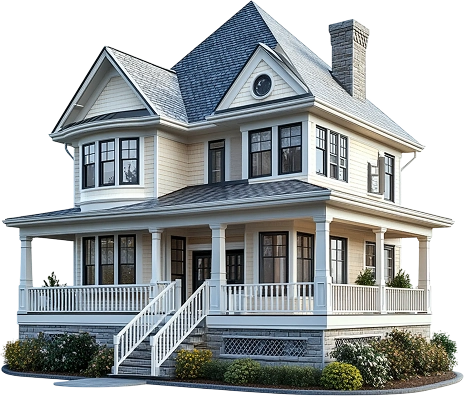
Character is another defining feature of established neighborhoods. Architectural variety, historical elements, and a sense of identity contribute to their appeal. These qualities create a unique living environment that cannot be easily replicated.
Buyers are often willing to pay more for homes in areas with personality and charm. This added desirability helps support property values and keeps demand consistent. A neighborhood with a strong identity tends to remain attractive across different buyer groups.
Choose a Neighborhood That Holds Its Worth
The strength of established neighborhood home value comes from a combination of reputation, schools, amenities, and consistent buyer demand. Guidance from professionals such as experienced realtors and real estate brokers in New Cumberland can help buyers identify areas that offer long-term value and confidence.
For those ready to make a smart real estate decision, Smith Top Team Realtors provides trusted support, local knowledge, and personalized service to help secure a home in a neighborhood that stands the test of time. Contact us today.
FAQ’s
What is an established neighborhood home value?
It refers to the long-term stability and consistent pricing of homes located in mature, well-developed residential areas.
Why do older neighborhoods hold value better?
They benefit from proven community reputation, reliable infrastructure, and steady buyer demand over many years.
Do school districts impact home values?
Yes, homes near highly rated schools often attract more buyers and maintain stronger resale prices.
Are established neighborhoods a safer investment?
They typically experience less fluctuation and provide more predictable appreciation over time compared to newer developments.
Do lot sizes and landscaping matter?
Larger lots and mature trees increase curb appeal and often make properties more desirable to buyers.