








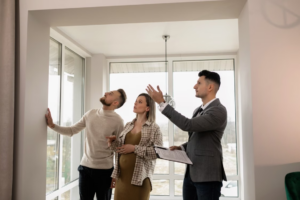


A first showing often answers the broad question of whether a home feels worth considering. A second visit should go deeper. Our home buying services encourage buyers to use the return visit to test how the property would function in everyday life, revisit details they may have missed, and identify questions that need answers before making or finalizing a decision.
Buyers reviewing property listings in Dillsburg or any other Central Pennsylvania area can prepare for a second showing by looking back at their notes from the first visit. Instead of touring the home in exactly the same way, make a short list of uncertainties: storage, light, traffic, room dimensions, parking, visible maintenance, or anything else that could affect daily use. Our buyer information can help place a second showing within the broader search process.
Revisit How the Layout Works in Daily Life
Walk through the home with routines in mind. Where would groceries enter? Is there a practical spot for coats, shoes, bags, and household supplies? Can the dining area fit the furniture the household actually uses? Would a bedroom work with the bed size planned for it? These questions are more useful on a second visit because the general excitement of seeing a new property is usually lower.
Pay particular attention to transitions between rooms. A layout can look open in photographs but still feel awkward when doors, stairs, furniture, or narrow passageways are considered. Buyers do not need to reject every compromise, but they should understand which limitations would require a new routine, different furniture, or renovation after purchase.

Look at Natural Light at a Different Time
If scheduling allows, a second showing at a different time of day can reveal information that was not obvious during the first visit. Rooms that felt bright in the morning may be darker later, or the reverse. Window orientation, surrounding buildings, trees, covered porches, and interior finishes all affect the amount and character of natural light.
The purpose is not to find a house with perfect light in every room. Buyers should decide where light matters most to them. Someone working from home may care more about the office, while another household may focus on the kitchen or living room. Check whether lamps or blinds were used during the tour and picture the room under ordinary conditions.
Listen to the Property and the Surroundings
A second visit is a good time to stop talking for a moment and listen. Notice traffic, nearby activity, mechanical equipment, floors, doors, plumbing sounds, and outdoor noise. Conditions change by time and day, so one visit cannot reveal everything, but buyers can identify whether something deserves additional research or another visit to the area.
People comparing property listings in Lewisberry or other communities should also consider what sits beyond the property line. Nearby roads, businesses, public spaces, schools, and neighboring uses may affect daily routines differently from one household to another. Buyers can verify public information rather than relying on assumptions made during a short tour.
Check the Condition More Carefully
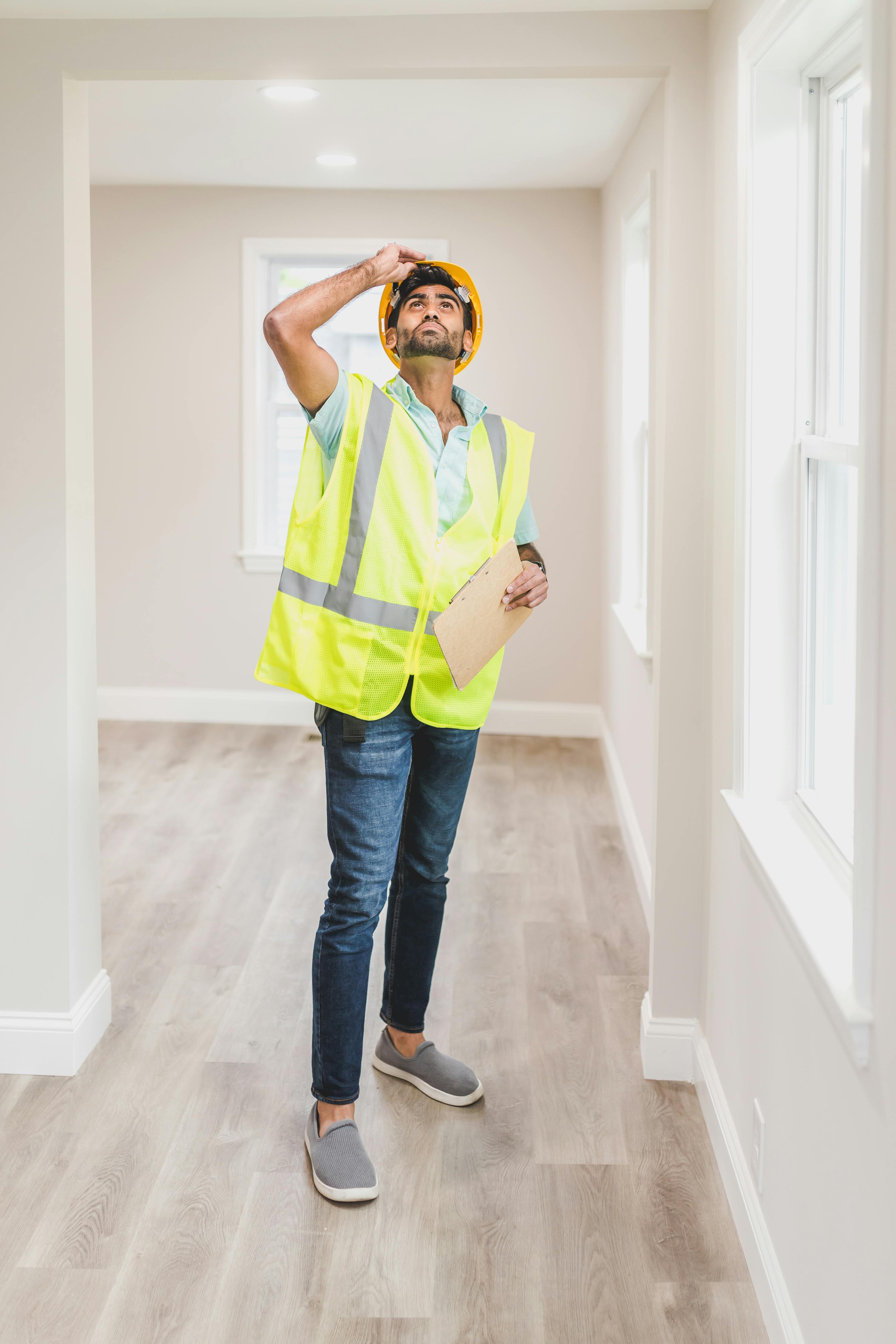
During the second showing, look more closely at visible condition. Check ceilings and walls for staining, look at floors and windows, note the age or apparent condition of major finishes, and identify questions about systems or previous work. Buyers should not attempt to diagnose structural, electrical, plumbing, roofing, or mechanical issues themselves based on a quick visual check.
The Consumer Financial Protection Bureau home inspection guidance recommends an independent inspection and explains that an inspection is different from an appraisal. A second showing can help buyers create questions for an inspector, but it is not a substitute for a professional examination of the property.
Test the Practical Details You Missed the First Time
Look inside closets, pantries, and cabinets where permitted. Check stair steepness, garage access, driveway shape, laundry placement, bathroom storage, and how doors swing into smaller rooms. If the household has mobility needs, children, pets, large furniture, or equipment, imagine those real requirements rather than evaluating the home as an empty set of rooms. HUD’s homebuying resource also includes a home-shopping checklist that buyers can use when comparing properties.
Buyers should also review the transaction documents separately from the showing. Seller disclosures, association information when applicable, utility questions, property records, and other available documents may raise issues that are not visible during a tour. The second visit can then be used to look at the physical part of those questions.
Keep the Second Showing Separate From the Appraisal
Buyers sometimes combine several property reviews into one idea, but they serve different purposes. A showing is the buyer’s chance to evaluate whether the home suits the household. A professional inspection focuses on physical condition. A lender appraisal addresses value for lending purposes. The CFPB appraisal resource explains that an appraisal is an independent opinion of value and may compare the property with others.
Understanding those differences helps buyers ask the right person the right question. Layout preferences belong in the buyer discussion. Technical defects belong with the inspector or specialist. Loan valuation concerns belong with the lender and appraisal process. Contract questions may require the real estate professional or attorney, depending on the issue.

Use the Second Visit to Make a More Informed Decision
At Smith Top Team Realtors, we help buyers organize questions from one showing to the next so the search becomes more precise. Buyers conducting a property search in Mechanicsburg can review our buyer information for the broader steps involved in finding and purchasing a home.
A second showing is most useful when it tests the property against real routines instead of repeating the first tour. Buyers evaluating homes for sale in Steelton, PA, can use the same method to compare layout, condition, surroundings, and practical fit. Contact our team to plan a focused home search in Central Pennsylvania.
Three Questions to Ask at a Second Showing
How long should a second showing take?
Long enough to revisit the areas that matter and answer the buyer’s outstanding practical questions. The exact appointment length depends on the property, scheduling, seller instructions, and local showing arrangements. Buyers can prepare a list so the visit stays focused.
What should buyers bring?
Bring the notes from the first showing, a short question list, a way to record permitted measurements, and any property information already provided. If photos or video are allowed, follow the seller’s and listing agent’s instructions rather than assuming recording is permitted.
Is a second showing the same as an inspection?
No. A showing is part of the buyer’s evaluation and property search. An inspection is a professional assessment of condition performed under the terms of the transaction. Buyers who want technical answers should rely on the appropriate inspector or specialist.