











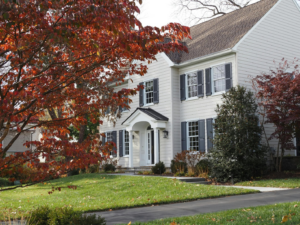

When shopping for a home, many buyers assume the listing price represents the property’s actual worth. Sellers often set an asking price that reflects strategy, urgency, or personal expectations. Understanding market value vs asking price allows buyers to evaluate whether the property is fairly priced and align offers with realistic expectations. Some sellers intentionally list higher to allow room for negotiation, while others price lower to attract more interest and create competitive offers. Assessing comparable sales, the property’s condition, and overall demand gives buyers insight into the property’s true value.
Guidance from experienced realtors can highlight which features justify higher pricing and which factors have minimal effect on market perception. By combining professional advice with market research, buyers can avoid overpaying, recognize when a listing is competitively priced, and identify homes that deliver long-term value.
How Comparable Sales Shape Property Value
Examining recent sales of similar homes helps buyers identify reasonable price ranges and avoid overpaying. Comparable properties show how size, features, and condition impact the market’s expectations. Professional guidance from real estate agents ensures buyers understand which differences in layout, upgrades, or renovations justify price variations.
Analyzing comparables supports confident negotiation and reduces surprises during the offer process. Insights from real estate brokers show which factors most influence final sale prices, helping buyers identify fair listings. By comparing homes within the same category, buyers can evaluate market trends, recognize what features increase value, and understand how similar properties are priced in a specific market.

Demand and Buyer Competition
The level of market demand significantly affects how homes sell relative to their listing price. Properties in high-demand markets may attract multiple offers, sometimes exceeding the original asking price. Recognizing competitive dynamics allows buyers to make strategic offers. Guidance from real estate brokers helps buyers assess how competition impacts timing, negotiation strategy, and offer strength.
Market supply and buyer interest influence pricing decisions. Insights from experienced realtors reveal how shifts in demand affect whether homes sell quickly or remain listed. Understanding these factors helps buyers navigate competitive scenarios, avoid overpaying, and make offers aligned with market realities.

Property Condition and Unique Features
A property’s condition is central to its market value. Renovations, modern systems, and general upkeep significantly influence price perception. Buyers must carefully assess both structural and cosmetic elements before making an offer. Guidance from real estate agents clarifies which upgrades truly increase market value and which have minimal effect.
Unique elements, such as architectural design, layout, or outdoor spaces, contribute to a home’s appeal. Insights from experienced realtors help buyers understand how these features affect perceived value. Considering property condition and distinctive features ensures offers reflect the property’s true worth.
Why Sellers Sometimes Price Higher
Sellers sometimes list properties above expected market value to leave room for negotiation or gauge buyer interest. A higher asking price can attract buyers willing to engage in negotiations while giving the seller flexibility to manage offers strategically. Guidance from real estate agents highlights that higher pricing does not always indicate overvaluation; instead, it can reflect the seller’s intent to test the market. Insights from experienced realtors show that carefully managed listings attract serious buyers while ensuring the seller can negotiate favorable terms.
Buyers who understand this approach can assess whether the property’s asking price reflects market conditions or a tactic to maximize potential offers. Considering price strategy alongside property features and neighborhood trends helps buyers make informed decisions, anticipate negotiation dynamics, and recognize fair value without assuming that all high-priced listings are inflated.
When Sellers Price Slightly Lower
Some sellers price homes slightly below estimated market value to encourage quick interest. This technique stimulates early buyer engagement and creates competition, often leading to multiple offers and strong final sale prices. Insights from real estate agents indicate that underpricing can generate urgency among buyers, ensuring the property receives ample attention within the first weeks on the market.
Buyers benefit from understanding that slightly lower listings are often intentional strategies rather than indicators of reduced value. Recognizing this approach helps buyers formulate informed offers, gauge true market interest, and participate in competitive bidding while maintaining confidence that they are evaluating properties realistically in relation to market conditions, property quality, and neighborhood trends.
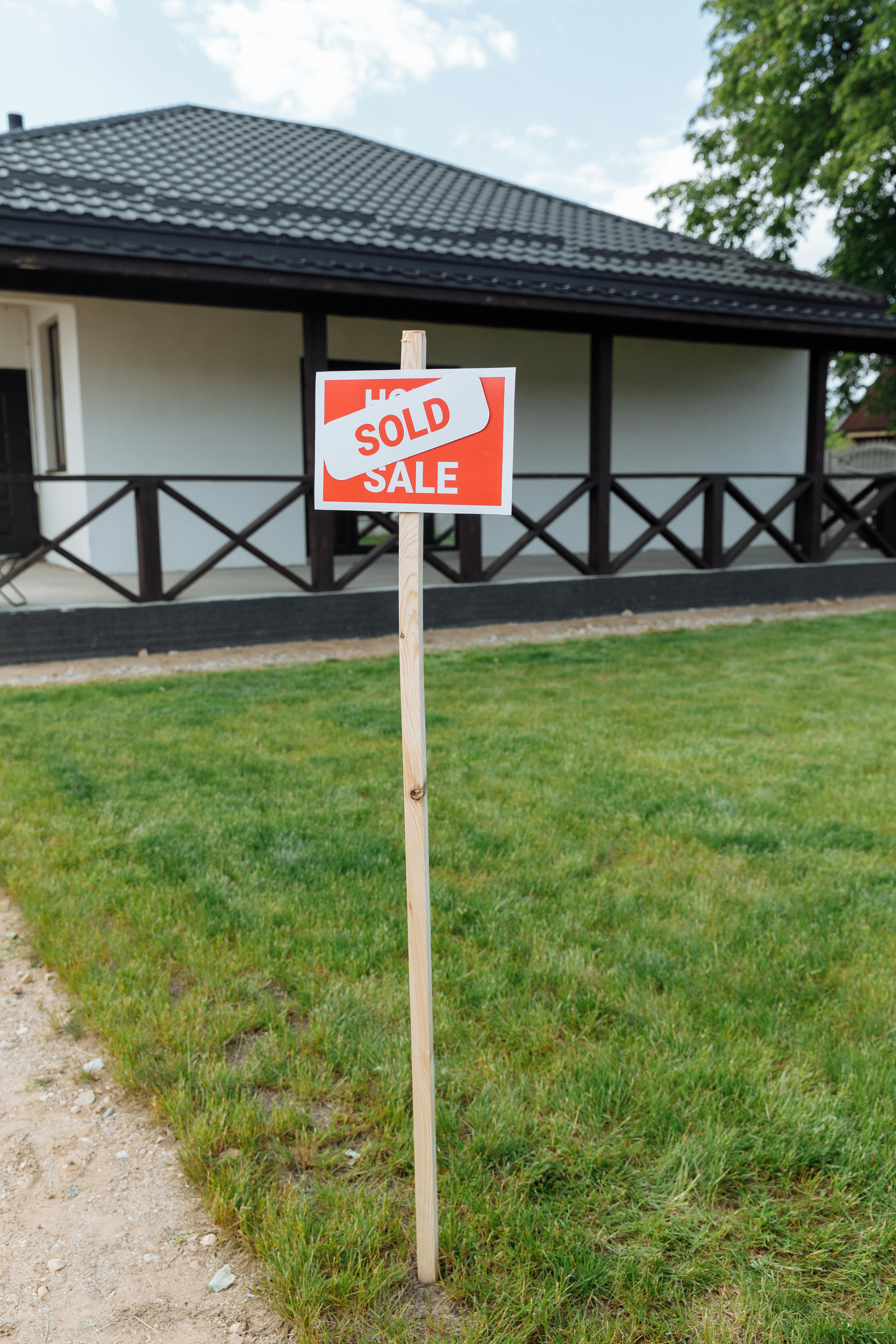
Get Expert Guidance for Your Home Purchase
Navigating the homebuying process can feel overwhelming, especially when trying to determine if a property is truly fairly priced. Our team at Smith Top Team Realtors takes the time to analyze comparable sales, current demand, and market trends so you can feel confident in your offers. By reviewing property listings in Harrisburg, we provide clear insights into how prices align with true market conditions and help you understand when a home is strategically priced. Along the way, we stay informed about the work of top realtors in Camp Hill PA to ensure you have a complete view of opportunities and competitive advantages. We also provide personalized guidance on timing offers, evaluating property features, and negotiating effectively, so every step of the process is clear and manageable. To discuss your specific needs, call us today and let our team help you explore your ideal home with confidence.
FAQs
- What is the difference between market value and asking price?
Market value reflects what a property is truly worth based on comparable sales, neighborhood trends, demand, and condition. Asking price is the listing set by the seller, which can be higher or lower than market value. - Why do sellers sometimes price above market value?
Sellers may price higher to leave room for negotiation, test buyer interest, or attract serious buyers willing to make offers. - Can a property sell below market value?
Yes, lower pricing can generate early interest, encourage multiple offers, and create competition that may ultimately match or exceed true market value. - How can buyers determine if a property is fairly priced?
Buyers should analyze comparable sales, evaluate property condition, consider neighborhood trends, and seek professional guidance to make informed offers.