










Buying a house is more than just finding a place to sleep; it is a significant financial move that can shape your future wealth. To ensure you are making a smart real estate investment, you must look beyond the paint colors and the current furniture. You need to evaluate the property based on its ability to grow in value over the next ten to twenty years. Working with local real estate agents in Camp Hill, PA can provide you with the data needed to see which properties have the best track record for appreciation. This article will break down the specific factors that make a property hold its value regardless of how the broader economy shifts.
Location and Neighborhood Stability
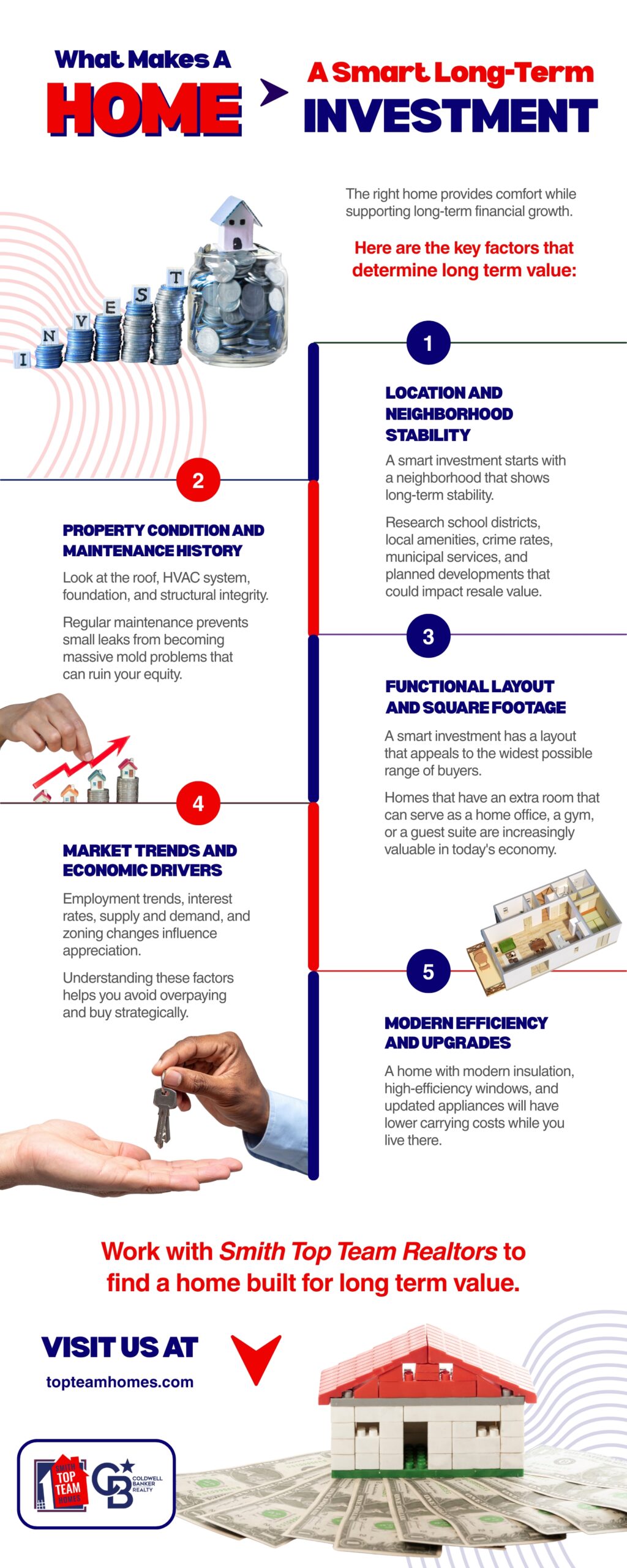
The physical location of a house is the only thing you can never change about it. You can renovate a kitchen or add a bathroom, but you cannot move a house from a busy intersection to a quiet cul-de-sac. A smart investment starts with a neighborhood that shows long-term stability. You should look for areas with high rates of homeownership rather than a high density of short-term rentals. Homeowners generally have a higher incentive to maintain their properties, which keeps the entire street looking good and keeps property values high.
You also need to research the school districts and local amenities. Even if you do not have children, a home in a top-rated school district will always be easier to sell and will command a higher price. Proximity to grocery stores, parks, and major employment centers like Harrisburg also adds a layer of protection to your investment. If a neighborhood has been desirable for the last thirty years, there is a very high probability it will remain desirable for the next thirty.
You should check for any planned commercial developments nearby that might increase noise or traffic, as these can negatively impact your resale value. Furthermore, look at the historical crime rates and the level of municipal services provided. A well-funded township that maintains its roads and parks is an indicator that your tax dollars are going back into protecting your home’s equity.

Property Condition and Maintenance History
A house that has been ignored for years will drain your bank account and eat into your potential profits. When you evaluate a home, you should look at the “big ticket” items like the roof, the HVAC system, and the foundation. A home that needs a new roof in two years is a liability, not an asset, unless the purchase price reflects that cost. You should ask for maintenance records to see if the previous owners stayed on top of small repairs. Regular maintenance prevents small leaks from becoming massive mold problems that can ruin your equity.
The structural integrity of the home is the foundation of its long-term value. You should pay close attention to any signs of water damage in the basement or cracks in the exterior walls. Investing in a home with a solid skeleton allows you to spend your money on cosmetic updates that actually add value, rather than sinking cash into invisible repairs like plumbing or electrical wiring. A well-maintained home will always stand out in a crowded market, allowing you to sell faster and at a higher price point when the time comes. If you find a home where the owner has kept a detailed log of every service call and upgrade, you are likely looking at a property that has been protected from the types of hidden decay that often surprise new owners.
Functional Layout and Square Footage
The way a house is organized matters just as much as its total size. A smart investment has a layout that appeals to the widest possible range of buyers. For example, an open-concept living area and a kitchen that connects to the dining space are features that remain in high demand. You should avoid houses with “choppy” floor plans or rooms that are difficult to access. A three-bedroom home with a logical flow will often sell for more than a four-bedroom home with an awkward layout where you have to walk through one bedroom to get to another.
You should also consider the flexibility of the space. Homes that have an extra room that can serve as a home office, a gym, or a guest suite are increasingly valuable in today’s economy. As more people work from home, having a dedicated quiet space has become a top priority for buyers. Storage space is another factor you should not overlook. Ample closet space, a pantry, and a clean garage or basement add functional value that makes the home more attractive to future owners. When you buy a home with a functional and flexible layout, you are ensuring it remains relevant as buyer preferences evolve. A home that feels larger than its actual square footage due to smart design is a property that will retain its competitive edge for years.

Market Trends and Economic Drivers
Real estate does not exist in a vacuum; it is tied to the local and national economy. You should look at the employment trends in Central Pennsylvania to see if the area is growing. A stable job market means there will always be people looking for housing. If major employers are moving into the area or expanding their operations, it is a strong signal that property values will increase. You should also stay informed about interest rate trends and how they affect buyer purchasing power.
Supply and demand are the ultimate deciders of value. In areas where land is limited and new construction is difficult, existing homes tend to appreciate faster because there is no way to increase the supply. You should compare the current inventory levels with historical averages to see if you are buying in a seller’s or buyer’s market. Understanding these trends allows you to time your purchase more effectively and avoid overpaying during a temporary price spike. A smart investor looks at the data to ensure they are buying an asset that will outpace inflation over the long haul. Keeping an eye on local zoning changes is also helpful, as new residential restrictions can drive up the value of existing homes by limiting competition from new builds.
Modern Efficiency and Upgrades
In 2026, energy efficiency is no longer a luxury; it is a requirement for many buyers. A home with modern insulation, high-efficiency windows, and updated appliances will have lower carrying costs while you live there. These features also make the home more marketable when you decide to sell. You should look for properties that have already been updated with smart thermostats or energy-efficient lighting. These small details signal to future buyers that the home is modern and well-cared for.
Upgrades that focus on durability also add long-term value. Materials like hardwood floors, stone countertops, and brick or stone exteriors tend to age better than carpet or vinyl siding. When you choose a home with high-quality finishes, you are reducing the amount of work you will have to do before you list it for sale in the future. You should prioritize quality over quantity when it comes to home improvements. One high-end kitchen remodel will usually provide a better return on investment than several cheap cosmetic fixes that will look dated in five years. Additionally, homes that are pre-wired for electric vehicle charging or solar integration are seeing a boost in desirability as more consumers shift toward sustainable living options.
Frequently Asked Questions
What is the single most important factor for home appreciation?
Location remains the most influential factor. Being in a safe neighborhood with a strong school district and easy access to jobs creates consistent demand. Even if the house itself needs work, a prime location ensures that the land value continues to grow over time.
Are “fixer-uppers” always a smart investment?
Not necessarily. A fixer-upper is only a smart move if you can buy it at a steep discount and the cost of repairs is lower than the eventual increase in market value. If you underestimate the cost of structural repairs, you could end up losing money.
How long should I plan to stay in a home to see a return?
Generally, you should plan to hold a property for at least five to seven years. This time frame allows you to build enough equity to cover the costs of selling and benefit from the natural rise in property values.

Choosing the Best Path Forward
Securing your financial future through real estate requires making objective choices based on facts rather than emotions. By focusing on location, maintenance, and market data, you can ensure your purchase remains a stable asset for years to come. Whether you are ready to sell your home or are looking for your next property, having the right guidance makes the process much more efficient and predictable.
If you want to ensure your next move is a success, we are ready to help. At Smith Top Team Realtors, our real estate experts and experienced realtors provide the localized data you need to make an informed decision. We look forward to working with you to find a property that serves as a high-quality, long-term asset.