

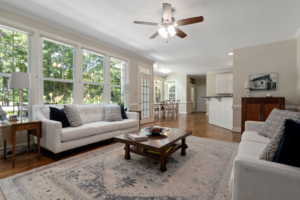






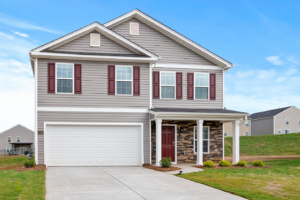

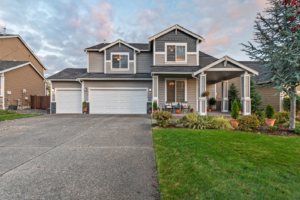


Have you ever fallen in love with a home online, only to feel something was off once you actually walked through it in person?
Listing photos are designed to highlight a home’s best angles, but they rarely tell the full story. Lighting, lens distortion, and careful staging can make a space look larger, brighter, or more polished than it actually is, sometimes in ways that only become obvious once you are standing inside.
This is exactly why a thorough home evaluation guide matters so much before making an offer. Photos are a starting point, not a final answer, and buyers who learn to look beyond them tend to make far more confident decisions throughout the entire process.
From property condition to neighborhood factors to hidden costs, here is what buyers should actually be assessing once they move past the listing photos and start evaluating a home for real, room by room and detail by detail.
Evaluating Property Condition Beyond the Surface
Fresh paint and staged furniture can make almost any home look move-in ready in photos, but condition runs much deeper than appearances. Buyers need to look closely at the roof, foundation, plumbing, electrical systems, and HVAC equipment, since these components are expensive to repair or replace and are not always visible in a quick walkthrough.
Anyone exploring real estate in Camp Hill, PA, should pay close attention to small details that often hint at bigger issues, such as water stains, uneven floors, or musty smells in a basement. A professional inspection remains one of the best tools for confirming what photos and a casual walkthrough simply cannot reveal about a home’s true condition.
It also helps to ask sellers directly about the age of major systems, including the roof, water heater, and HVAC unit. Knowing approximately when these components were installed gives buyers a much clearer sense of how soon they might need repair or replacement, which can meaningfully affect both the offer price and the long-term budget for the home, especially for older properties.
Neighborhood Factors That Affect Long-Term Satisfaction

A home does not exist in isolation, and the surrounding neighborhood plays a major role in long-term satisfaction, even when the home itself checks every box. School quality, walkability, traffic patterns, noise levels, and nearby development plans can all shape daily life in ways that are easy to overlook during a single showing.
Buyers searching homes for sale in Camp Hill, PA often benefit from visiting a neighborhood at different times of day, since traffic, noise, and overall atmosphere can shift significantly between a quiet weekday morning and a busy weekend evening. Spending time in the area before committing helps buyers avoid surprises that a single visit might not reveal.
It is also worth researching planned development, zoning changes, or upcoming construction nearby, since these factors can affect both daily life and long-term property value. A quiet street today could look very different in a few years if new commercial development or a major road project is already in the planning stages.
Layout and Functionality: Does the Home Work for Your Life
A beautiful home can still fall short if the layout does not actually support how a buyer plans to live day to day. Awkward room placement, limited storage, or a kitchen that does not flow well with the rest of the home can create daily friction long after the excitement of moving in fades.
When comparing different property listings in Camp Hill, PA, it helps to mentally walk through daily routines, including mornings, meal prep, work-from-home needs, and how guests will move through the space. A home that fits naturally into daily life often holds up better over time than one chosen primarily for its appearance in photos.
It can also help to bring a simple list of household needs along to each showing, rather than relying on memory once the visit is over. Comparing how each home actually supports those specific needs, rather than judging purely on style or finishes, often leads to a far more practical and lasting decision that holds up well after the first few months of living there.
Thinking Ahead: Future Resale Considerations

Even buyers who plan to stay in a home for many years should think about resale potential before making an offer. Life circumstances change, and a home’s ability to hold or grow in value can significantly affect future flexibility and financial security.
Buyers comparing Camp Hill, PA homes for sale should consider factors like school district reputation, lot characteristics, renovation potential, and overall neighborhood trajectory. A home that may be slightly less exciting today but offers stronger long-term resale potential can often be the smarter choice once future flexibility is taken into account.
Even small details, such as the number of bedrooms relative to nearby homes or the presence of a usable basement, can influence how easily a property might sell down the road. Thinking like a future seller, even while still acting as a buyer, often leads to choices that pay off well beyond the initial purchase, particularly in a market where preferences continue to shift over time.
Hidden Costs That Go Beyond the Purchase Price

The purchase price is only one part of the overall financial picture. Closing costs, inspection fees, moving expenses, homeowners’ insurance, and ongoing maintenance can all add up quickly, sometimes catching buyers off guard if they were not factored into the original budget.
In the broader real estate market, buyers who account for these additional costs upfront tend to feel far more confident about their long-term financial plan. Older homes in particular may carry higher maintenance costs, which makes it worth budgeting for upkeep alongside the mortgage itself, rather than assuming the monthly payment is the only ongoing expense.
Utility costs, property taxes, and any homeowners association fees should also be factored in early, since these recurring expenses can vary significantly from one property to another. A home with a slightly higher purchase price but lower ongoing costs may end up being the more affordable choice once the full financial picture is considered, especially over several years of ownership.
What to Assess Before Making an Offer
Before making an offer, buyers should pull together everything they have learned about the property, from its condition to its location to its long-term potential. This includes reviewing inspection concerns, researching comparable homes for sale, and confirming that the home truly fits both current needs and future plans.
It is also worth comparing similar property listings in the area to ensure the offer reflects a fair, well-informed price rather than emotion alone. Taking the time to assess these details thoroughly before submitting an offer often leads to smoother negotiations and far fewer surprises after closing.
Buyers should also consider how much room they have to negotiate based on the inspection results and current market conditions. A well-prepared offer, backed by solid research and a clear understanding of the property, tends to move through negotiations more smoothly than one based purely on excitement or a fear of missing out.
Red Flags That Are Easy to Miss During a Showing

Some warning signs are subtle enough that they go unnoticed during a quick tour, especially when buyers are focused on layout and finishes. Fresh paint in just one spot, a strong scent of air freshener, or furniture strategically placed in front of a wall can sometimes be covering up a deeper issue underneath.
Cracks near doorframes, doors that do not close properly, or sloped flooring can hint at foundation movement that is easy to dismiss as cosmetic. Taking a slower, more deliberate walk through each room, rather than rushing through a showing, gives buyers a much better chance of spotting these details before they become expensive surprises after closing. Bringing a flashlight to check dark corners, attics, or crawl spaces can also reveal issues that overhead lighting tends to hide during a typical showing.
Frequently Asked Questions
Why do listing photos not always reflect a home’s true condition?
Listing photos are taken with wide-angle lenses, professional lighting, and careful staging, all of which can make a space look larger, brighter, or more polished than it is in person. Visiting in person and getting a professional inspection are the best ways to confirm a home’s real condition, since photos alone cannot reveal structural or mechanical issues.
What neighborhood factors matter most when evaluating a home?
School quality, walkability, traffic patterns, and noise levels are some of the most important neighborhood factors. Visiting the area at different times of day can reveal details that a single showing often misses.
How important is layout compared to square footage?
Layout often matters more than total square footage, since a smaller home with a smart, functional layout can feel more livable than a larger home with an awkward floor plan that does not support daily routines.
Should buyers think about resale value even if they plan to stay long term?
Yes. Life circumstances can change unexpectedly, and a home with strong resale potential offers more financial flexibility down the road, even for buyers who have no immediate plans to move.
What hidden costs do buyers often forget to budget for?
Closing costs, inspection fees, moving expenses, insurance, and ongoing maintenance are commonly overlooked. These costs can add up significantly beyond the purchase price itself and should be factored into the overall budget early on.
Is a professional inspection really necessary if the home looks well-maintained?
Yes. Many serious issues, such as foundation problems, outdated wiring, or hidden water damage, are not visible during a standard walkthrough, even to a careful buyer. A professional inspection is one of the most reliable ways to confirm a home’s true condition before committing, and it often pays for itself by catching problems early.
How can buyers compare multiple homes fairly before making an offer?
Creating a simple checklist that covers condition, neighborhood, layout, and estimated costs can help buyers compare options objectively, rather than relying purely on first impressions or emotional reactions during a showing.
What is the best first step when starting to evaluate a home seriously?
Working with experienced real estate agents who understand both the local market and what to look for beyond the listing photos is one of the most valuable steps buyers can take early in the process, whether they are ready to buy a home now or simply starting to explore options.
How can buyers tell if a home’s price is fair before making an offer?
Comparing the home to recently sold properties with similar size, condition, and location is one of the most reliable ways to evaluate fair pricing. A knowledgeable agent can pull these comparisons quickly and help interpret what they mean for a specific offer.
Does the time of year affect how a home should be evaluated?
Yes, to some extent. Certain issues, like drainage problems or roof leaks, may be more noticeable during or after rainy seasons, while heating and cooling systems are easier to test when temperatures make them necessary. Asking sellers how systems perform throughout the year can fill in gaps that a single season cannot reveal.
Ready to Evaluate Your Next Home the Right Way?

At Smith Top Team, we believe buyers deserve more than a quick glance at listing photos before making one of the biggest decisions of their lives. We walk our clients through property condition, neighborhood factors, layout, resale potential, and hidden costs every step of the way, using this exact home evaluation guide as a foundation for smart, confident decisions.
We also work closely with sellers who are listing properties for sale, helping them present their homes honestly and competitively from day one, with full transparency about condition and value rather than relying on photos alone to tell the story. If you are ready to start evaluating homes the right way, or you simply want a trusted second opinion before making an offer, contact us today.
We would love to help you move forward with clarity and confidence, every step of the way, from your very first showing all the way through closing day.