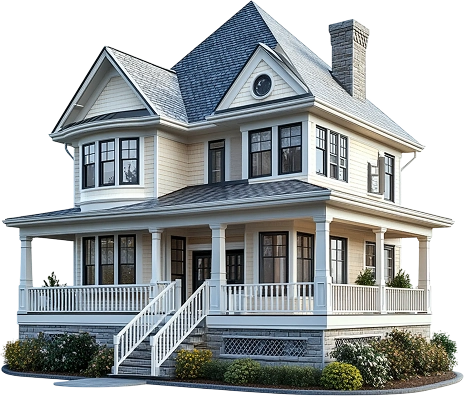






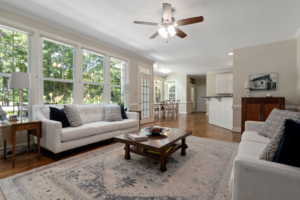



Deciding whether to enter the housing market is one of the biggest financial choices you will ever make. The question of whether you should buy now or wait in real estate often comes down to a mix of personal timing and broader economic conditions. If you are currently searching for a property, working with local real estate agents in Camp Hill, PA will help you understand how these trends affect your specific neighborhood. In Central Pennsylvania, the market in early 2026 is showing signs of a shift toward a more balanced environment for everyone involved. While the extreme bidding wars of previous years have calmed down, you are still looking at a market where inventory remains relatively low and prices are holding steady.
Finding the right time to move involves looking at your current lifestyle and your long-term goals rather than just trying to time the market perfectly. Interest rates have stabilized somewhat, and more homes are starting to appear on the market compared to the same time last year. This means you have a bit more breathing room to make a decision without the intense pressure that characterized the last few years. As you consider your options, you should look closely at how the current local conditions in areas like Harrisburg and Cumberland County impact your specific situation.
Interest Rates and Your Monthly Payment
Interest rates are a primary driver for most people when they decide to purchase a home. In early 2026, mortgage rates in Pennsylvania are hovering in the low 6 percent range for a standard 30-year fixed loan. While these rates are higher than the historic lows seen years ago, they are significantly more stable than the volatility seen in 2024 and 2025. You should understand that even a small change in your interest rate can have a large impact on what you pay every month.
When you look at the numbers, waiting for rates to drop further can be a risky strategy. If rates do go down significantly, a wave of new buyers who were sitting on the sidelines will likely enter the market. This increased demand often leads to higher home prices, which might cancel out any savings you gained from a lower rate. By purchasing now at a stable rate, you secure a home at today’s price and can always look into refinancing if rates fall later. You should speak with a lender to see exactly what your monthly payment looks like at current levels so you can budget with accuracy.

Inventory Levels and Buyer Competition
The number of homes available for sale is a major factor in how much power you have as a buyer. In Central Pennsylvania, inventory levels are up nearly 9 percent compared to last year, providing more options for you to view. However, we are still not back to the inventory levels seen before the pandemic. This means that while you have more choices, the best-maintained homes in popular school districts still sell very quickly.
Competition has changed from a frantic race to a more measured process. You will find fewer instances of homes receiving twenty offers in a single weekend, but you should still be prepared to act when you find a property that fits your needs. In areas like Cumberland and Dauphin counties, homes are staying on the market for an average of 40 to 50 days. This gives you time to conduct proper inspections and think through your offer, which was a luxury many buyers did not have just two years ago.
Home Pricing Trends in Central Pennsylvania
Home prices in our region have not seen a major decline, and experts do not expect one in 2026. In fact, many local areas are seeing modest price growth of about 2 to 4 percent. This growth is largely driven by the fact that demand still outweighs supply. If you wait a year to buy, you might find that the same home costs you $10,000 to $15,000 more than it does today.
When you purchase a home, you are not just buying a place to live; you are also building equity. As home prices continue to rise slowly, every month you wait is a month you are missing out on that equity growth. For many people, the cost of waiting includes both the higher future purchase price and the rent paid in the meantime that does not go toward owning an asset. You should look at a home as a long-term investment rather than a short-term gamble on market fluctuations.

The Impact of Local Infrastructure and Commutes
Location continues to be a major factor in home value and your daily quality of life. Homes in established neighborhoods with easy access to major employment hubs like Harrisburg or the West Shore continue to hold their value well. You should consider how your daily commute and proximity to local amenities will affect your long-term satisfaction with a property.
Areas that have seen recent investments in infrastructure or new community developments often see higher rates of appreciation. When you evaluate a property, look beyond the house itself and consider the stability of the surrounding area. A home in a strong community is more likely to weather economic shifts than one in an area with declining services. You want to make sure your investment is protected by the strength of the local economy and the desirability of the neighborhood.
Is It the Right Time for You?
Ultimately, the right time to buy is when you are financially ready and have found a home that meets your needs. Trying to time the absolute bottom of interest rates or the perfect moment of high inventory is almost impossible. Instead, you should focus on your own timeline, your job stability, and your budget. If you find a home that fits your life and you can afford the monthly payment at today’s rates, waiting rarely pays off in a market that is trending upward.
You should also consider the “lock-in” effect that kept many sellers from listing their homes in previous years. As more people realize that rates in the 6 percent range are the new normal, they are finally deciding to move for life reasons like jobs or family changes. This change in the market is creating a more fluid environment where you can find motivated sellers who are willing to negotiate on repairs or closing costs.
Frequently Asked Questions
Will home prices drop if I wait until the end of 2026?
It is unlikely that home prices in Central Pennsylvania will drop significantly. Local demand remains high due to the stable job market and relatively affordable cost of living. Most forecasts suggest prices will continue to rise at a modest pace, meaning waiting might result in a higher purchase price later.
Should I worry about buying at a 6% interest rate?
While 6% is higher than the record lows of 2021, it is close to the historical average for mortgage rates. If rates drop in the future, you can often refinance your loan to lower your payment. However, you cannot change the price you paid for the home, which is why securing a house now can be a smart move.
Is it still a seller’s market in our local area?
The market has become more balanced, but it still leans slightly in favor of sellers because inventory is still below historical norms. You have more negotiating power now than you did two years ago, but you should still expect to pay close to the asking price for homes in top condition.

Working With Local Experts
Deciding to buy or sell a home is a major life event that requires steady guidance and local knowledge. Our team of real estate experts is dedicated to helping you understand the specific data points of your neighborhood so you can act with total certainty. Whether you are looking to sell your home or are ready to search for a new one, having a partner who understands the local environment is essential.
If you are ready to see what is available or want a professional opinion on your home’s current value, we are here to provide the support you need. Contact the Smith Top Team Realtors to start a conversation with experienced realtors in Camp Hill, PA who put your goals first. We look forward to helping you find the right path forward in this year’s market.