













Buying a home is exciting, but it can also feel stressful when finances come into focus. One of the biggest questions buyers ask is about the credit score needed to buy a house. Many people assume they need perfect credit before speaking to a lender, but that is not always true. Understanding how credit scores work, what lenders look for, and how to improve your position can make the process much smoother. With the right preparation and trusted advice, homeownership may be closer than you think.
Why Your Credit Score Matters
Your credit score gives lenders a quick picture of how you manage money. It reflects your payment history, outstanding debt, credit usage, and the length of your credit history.
When you apply for a mortgage, lenders use your score to decide:
- Whether to approve your loan
- Which loan programs may you qualify for
- Your mortgage interest rate
- Your down payment requirements
- Whether additional conditions may apply
A stronger credit score to buy a house usually means better loan terms and lower monthly payments. Even a small difference in your interest rate can save you thousands over the life of your mortgage.
Common Credit Score Ranges for Mortgage Loans
Different loan programs have different credit score expectations. While every lender is slightly different, these are the most common ranges buyers should know.
Conventional Loans
Conventional loans are often used by buyers with stronger financial profiles. These loans are not backed by the government.
Most lenders prefer:
- 620 or higher as a minimum
- 740+ for the best rates and terms
A higher score often gives buyers more flexibility and lower borrowing costs.
FHA Loans
FHA loans are popular with first-time home buyers because they offer more flexibility.
Typical requirements include:
- 580+ for a lower down payment option
- 500–579 may qualify with a larger down payment
This makes FHA loans helpful for buyers who are still building their credit.
VA and USDA Loans
VA loans and USDA loans can also provide strong opportunities, depending on eligibility.
Most lenders usually look for:
- Around 620 for VA loans
- Around 640 for USDA loans
These programs may offer low or no-down payment options, which can make buying more accessible.
How Credit Score Affects Interest Rates
Getting approved is only part of the mortgage process. Your credit score also affects how much you pay over time.
For example:
- A buyer with a 760 score may qualify for a lower rate
- A buyer with a 620 score may pay significantly more each month
Even if both buyers purchase the same home, the one with stronger credit often saves much more in the long term.
This is why strong home-buying guidance matters early. Improving your score before applying can make a major financial difference.
What Lenders Look at Besides Credit Score

Your score matters, but it is not the only thing lenders review.
Debt-to-Income Ratio
This compares your monthly debt payments to your monthly income. Lower ratios show lenders you can comfortably handle a mortgage payment.
Employment History
Lenders prefer steady income and often look for at least two years of consistent employment.
Down Payment
A larger down payment can improve approval chances and may help offset a lower credit score.
Savings and Cash Reserves
Having money set aside for emergencies gives lenders more confidence in your financial stability.
This is where working with a trusted real estate agent becomes valuable. Preparation before house hunting can prevent major surprises later.
Ways to Improve Your Credit Before Buying
If your score is lower than you would like, there are practical ways to improve it.
Pay Bills on Time
Payment history is one of the biggest factors in your credit score. Even one missed payment can have a negative effect.
Reduce Credit Card Balances
Keeping balances low improves your credit usage ratio. Many experts suggest staying below 30% of your available limit.
Avoid Opening New Credit Accounts
New credit applications can temporarily lower your score. Before buying a home, stability is usually the better choice.
Review Your Credit Report
Check for mistakes like incorrect balances, duplicate accounts, or missed payment errors. Fixing errors can improve your score faster than expected.
Keep Older Accounts Open
The length of your credit history matters. Closing old accounts may lower your score, even if you rarely use them.
Working with experienced realtors and lenders can help you create a realistic plan instead of guessing your next move.
Do First-Time Buyers Need Perfect Credit?

No, and this is one of the biggest misconceptions in real estate.
Many first-time home buyers believe they need flawless credit before they can start. In reality, lenders are often looking for consistency, not perfection.
The goal is not a perfect score. It has a strong enough credit score to buy a house with loan terms that make sense for your budget.
Sometimes buyers delay too long because they assume they are not ready, when they may already qualify for strong options.
Talking to top real estate agents early helps you understand where you stand and what your next step should be.
Why Local Expertise Matters
Buying a home in Central Pennsylvania involves more than mortgage approval. Local pricing, neighborhood demand, taxes, and inventory all shape your buying strategy.
Working with top real estate agents in Camp Hill, PA, gives you an advantage because local knowledge matters. National advice can only take you so far.
At Smith Top Team Realtors, we help buyers understand what makes sense for their goals, budget, and timeline. We focus on real guidance, not pressure.
As experienced realtors in Camp Hill, PA, we know that confidence comes from preparation.
Ready to Move Toward Homeownership?
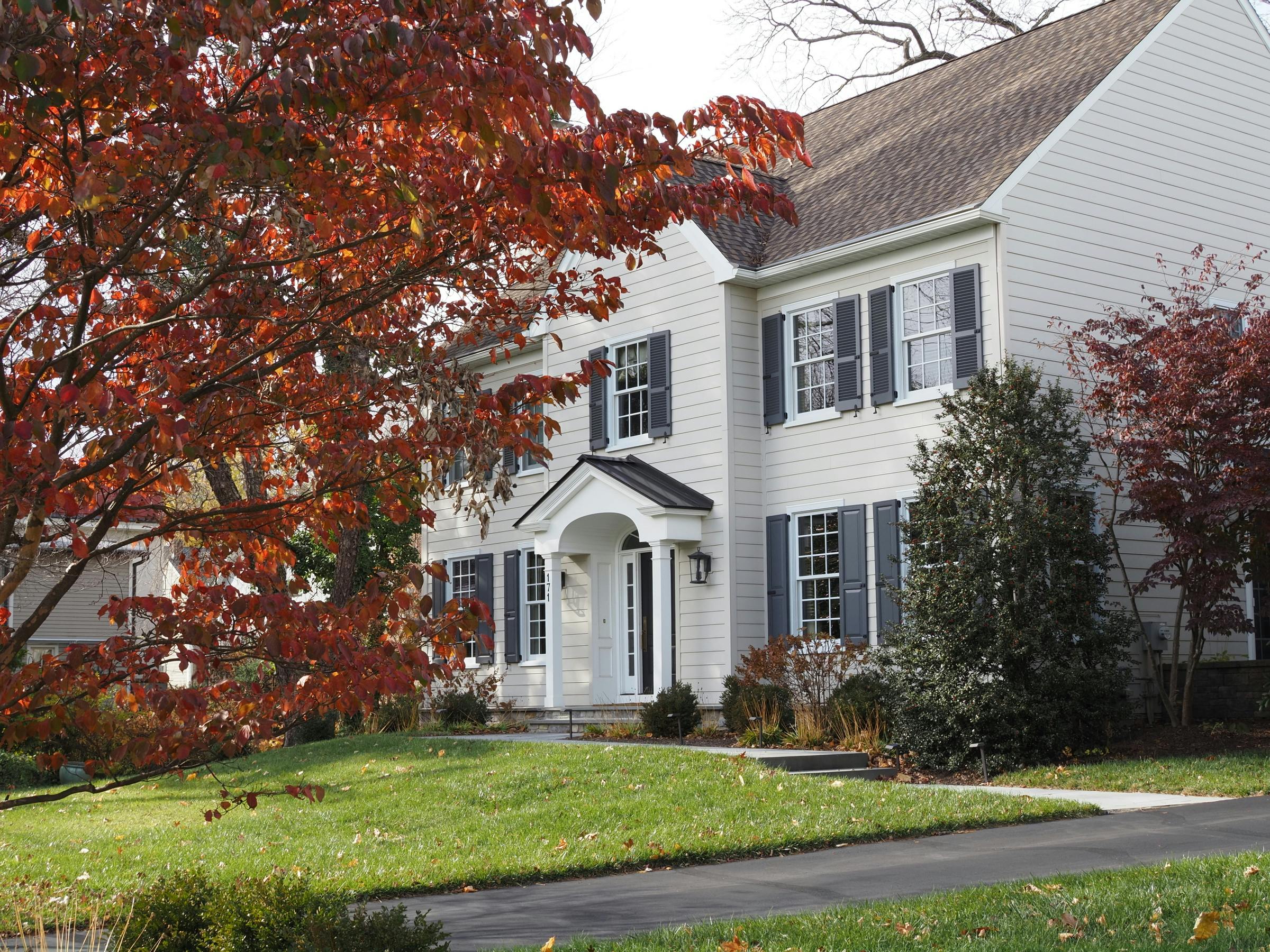
Understanding the right credit score to buy a house is one of the smartest first steps in the buying process. Better preparation leads to better decisions, stronger loan options, and less stress.
At Smith Top Team Realtors, we provide trusted advice, personalized home-buying guidance, and local expertise for buyers across Central Pennsylvania. With decades of experience and a family-focused approach, we help you move forward with clarity and confidence.
If you are ready to buy or simply want to understand your options, contact Smith Top Team Realtors today. Let our team help you take the next step toward the right home.
FAQs
What is the minimum credit score needed to buy a house?
It depends on the loan type. Many conventional loans require at least a 620, while FHA loans may allow lower scores depending on your down payment.
Can I buy a house with bad credit?
Yes, some government-backed loans may help buyers with lower scores. However, stronger credit usually means better rates and lower monthly payments.
Does checking my own credit score lower it?
No. Checking your own score is considered a soft inquiry and does not hurt your credit.
How long does it take to improve a credit score?
It depends on your financial situation. Paying down debt and correcting report errors can sometimes improve scores within a few months.
Should I talk to a realtor before mortgage pre-approval?
Yes. Speaking with real estate professionals early helps you understand pricing, market conditions, and the steps needed before starting your search.