











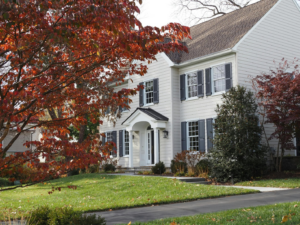

Selling a home can sometimes feel unpredictable. Two properties may be similar in size, condition, and location, yet one receives multiple offers within days while the other remains unsold for weeks or even months. Understanding the factors that influence home selling speed helps homeowners recognize why this happens and how different elements contribute to buyer interest.
Several components affect how quickly a property moves from listing to sale. Pricing strategy, property condition, market demand, marketing exposure, listing presentation, and timing all play important roles.

Pricing Strategy and Buyer Perception
One of the most influential factors affecting home selling speed is pricing. Buyers constantly compare listings, and they quickly recognize when a property is priced too high relative to similar homes. Even small differences can affect whether buyers schedule a viewing or move on to another listing.
When a home enters the market at a competitive price point, it often attracts multiple potential buyers within a short period. This early attention can sometimes lead to quicker offers or even bidding activity. However, an inflated price may cause buyers to skip the listing entirely, leaving the property sitting on the market longer than expected.
Professionals who understand regional trends, such as those familiar with the real estate market, typically analyze comparable sales and buyer behavior before recommending a listing price.
Property Condition and First Impressions
When buyers enter a property, they often make judgments within minutes. Cleanliness, maintenance, lighting, and layout all shape their initial reaction.
Experienced professionals often advise sellers to prepare a home before listing it. Guidance from experienced real estate agents often focuses on practical upgrades that increase appeal without excessive investment. When buyers see a property that feels move-in ready, they are far more likely to act quickly.

Listing Presentation and Visual Appeal
The way a home is presented online plays a major role in attracting interest. Since many buyers begin their search digitally, the first impression often happens through photos and listing descriptions.
High-quality images, thoughtful staging, and clear property descriptions can dramatically increase engagement. A listing that showcases natural lighting, space, and layout allows buyers to visualize themselves living in the home.
A poorly presented listing, on the other hand, can cause buyers to overlook a property even if it has excellent features.
Marketing Exposure and Audience Reach
Marketing exposure can determine how many potential buyers discover a listing. Even a well-priced and beautifully maintained home may struggle if it lacks sufficient visibility.
Effective marketing strategies often include digital listings, targeted promotions, social media exposure, and professional networking. These efforts increase the chances that the property reaches motivated buyers who are actively searching.
Real estate professionals such as local real estate agents often rely on multiple channels to ensure maximum exposure.
Market Demand and Buyer Competition
Market conditions strongly influence how quickly homes sell. In periods where buyer demand exceeds available listings, homes often sell rapidly because buyers compete for limited options.
However, when inventory levels rise and buyers have more choices, the pace of sales may slow down. Buyers become more selective, comparing features, prices, and locations before making decisions.
Timing and Seasonal Trends
Timing can also affect how quickly homes sell. Real estate markets often experience seasonal fluctuations that influence buyer activity.
Spring and early summer traditionally bring higher levels of market activity. Warmer weather, school schedules, and relocation timelines often motivate buyers during these months. As a result, homes listed during peak seasons sometimes attract quicker interest.
Professionals such as top realtors often analyze timing carefully to determine the most advantageous period for listing a property.
Neighborhood Appeal and Location Factors
Location continues to be one of the most significant drivers of real estate demand. Buyers frequently prioritize neighborhood amenities, commute times, school districts, and nearby services when evaluating homes.
Properties located in highly desirable areas tend to attract stronger interest. Convenient transportation, appealing community features, and nearby employment centers can all increase demand.
Real estate professionals, including real estate brokers, often emphasize the importance of highlighting neighborhood advantages when marketing a property.
Turning Market Knowledge into Faster Home Sales
At Smith Top Team Realtors, we believe informed strategy makes all the difference. As part of a dedicated real estate team, our goal is to help sellers position their homes in ways that attract serious buyers quickly. From analyzing trends in the Camp Hill real estate market to understanding buyer activity across real estate in Harrisburg PA, and nearby communities like Duncannon, PA, we focus on insights that help listings stand out.
If you’re planning to purchase a home or preparing to sell in nearby communities, the right guidance can make the entire process smoother and easier to navigate. To discuss your specific needs and explore how we can help, reach out to our team today and start the conversation.
FAQs
1. Why do some homes receive offers within days of listing?
Homes that are priced competitively, well presented, and marketed effectively often attract strong buyer interest immediately, which can lead to quicker offers.
2. How important is pricing when selling a home?
Pricing is one of the most critical factors. A home priced accurately for the market typically attracts more buyers and may sell faster than one that is overpriced.
3. Does staging a home really help it sell faster?
Yes. Staging helps buyers visualize the property’s potential and often creates a stronger emotional connection, which can lead to quicker offers.
4. Can market conditions affect how long a home stays listed?
In markets with high buyer demand and limited inventory, homes often sell faster. When more homes are available, buyers may take longer to decide.
5. What role does marketing play in selling a home?
Marketing determines how many potential buyers see the property. Strong online listings, professional photos, and broad exposure can significantly increase buyer interest.