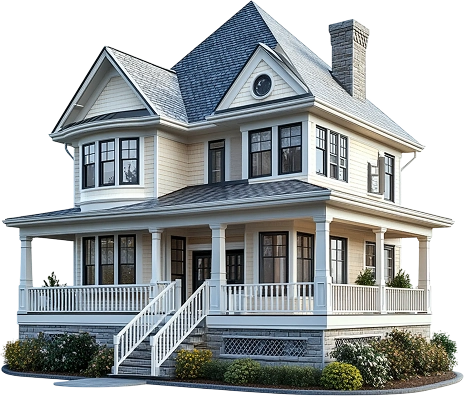











A home’s layout shapes how comfortable, practical, and appealing the space feels from the moment someone walks through the door. While finishes, paint colors, and decorative details may change easily, the internal structure of a property is much harder to modify. Because of this, layout decisions often influence how attractive a home becomes to future buyers and how smoothly a property sells later.
A thoughtful layout supports convenience, privacy, and flexibility. Families often prefer homes where shared spaces encourage interaction while private areas provide a quiet retreat. Poorly planned floor arrangements can create awkward movement through the home, limit natural light, or reduce the usefulness of certain rooms.
Resale value is closely tied to long-term usability. Layouts that adapt to changing needs often remain desirable for decades, while overly rigid designs may lose appeal as living patterns evolve. Open gathering spaces, comfortable bedroom placement, and adaptable rooms help ensure that a property continues to meet lifestyle expectations.
Understanding how layout influences buyer perception provides valuable insight for homeowners and prospective buyers alike. A well-planned structure not only improves everyday living but also strengthens long term market interest. The following sections explore how specific layout choices affect desirability, functionality, and overall resale potential.
Open Floor Plans and Modern Lifestyle Preferences
Open floor plans have become widely recognized for creating a welcoming and connected atmosphere within a home. Rather than separating each room with walls and narrow hallways, this layout encourages a continuous flow between living, dining, and kitchen areas. The result is a space that feels larger, brighter, and more adaptable to different activities.
From a practical perspective, open layouts also improve visibility and convenience. Cooking, entertaining guests, and supervising household activities become easier when main living areas connect seamlessly. Natural light often travels farther across open spaces, helping the interior feel warm and inviting. This visual openness can make even modestly sized homes appear more spacious.
Buyers frequently notice these benefits when exploring homes within the real estate market. Properties that feel airy and connected often create stronger first impressions than homes with tightly separated rooms. Because of this, open floor plans tend to remain appealing across a wide range of buyers.
Design professionals also recognize the long-term advantages of layouts that allow flexibility in furniture placement and daily use. When evaluating homes, real estate professionals often observe how adaptable open spaces support evolving lifestyles. Families may rearrange furniture, create informal workspaces, or host gatherings without structural limitations.
While privacy remains important in certain areas of the home, an open concept in shared spaces usually supports modern living preferences. As lifestyle patterns continue to emphasize connection and convenience, homes with thoughtfully designed open areas frequently maintain stronger resale interest and lasting appeal.

Functional Room Flow and Everyday Movement
The way rooms connect inside a home plays a major role in shaping how comfortable daily life feels. Functional room flow allows movement between spaces without confusion, crowding, or unnecessary detours. Hallways should guide visitors naturally toward living areas, while kitchens, dining spaces, and family rooms should feel logically connected.
Poor flow can make even large homes feel awkward. Rooms placed in unexpected locations or connected by narrow pathways may interrupt everyday routines. For example, a dining area placed far from the kitchen can complicate meal preparation, while living spaces that require passing through private bedrooms may reduce privacy.
Buyers exploring homes often evaluate this sense of movement almost subconsciously. Experienced real estate agents frequently note that properties with comfortable transitions between rooms tend to create a stronger emotional response during viewings. When movement through the home feels smooth and effortless, the entire layout appears more practical and welcoming.
Functional flow also improves how a property appears when listed for sale. Floor plans that highlight natural transitions between areas often make property listings more attractive to prospective buyers reviewing homes online. Clear spatial relationships help viewers imagine how everyday activities would unfold within the space.
Well-designed circulation patterns support both comfort and long term value. A layout that allows easy movement reduces frustration, improves usability, and strengthens the property’s appeal to a wide range of households.
Bedroom Placement and Household Privacy
Bedroom location plays a crucial role in creating a sense of comfort and privacy within a home. While shared areas such as kitchens and living rooms encourage social interaction, sleeping spaces require quiet and separation from daily activity. A thoughtful layout places bedrooms away from busy areas, helping create peaceful environments for rest.
Homes that position bedrooms near entryways, entertainment areas, or high traffic corridors may struggle to maintain a calm atmosphere. Noise, foot traffic, and interruptions can reduce the sense of privacy that many households expect from personal spaces. By contrast, layouts that group bedrooms within quieter sections of the home often feel more balanced and comfortable.
Professionals working with buyers frequently highlight these factors during property evaluations. Experienced real estate agents often emphasize how bedroom placement influences a home’s overall livability. A thoughtful arrangement can support family routines, provide comfortable sleeping environments, and create clear boundaries between social and private areas.
Bedroom distribution also affects long-term buyer interest. Many people planning to buy a home look for layouts that offer flexibility for families, guests, or future lifestyle changes. A separate primary bedroom, for example, may provide additional privacy while guest rooms remain conveniently accessible.
Balanced bedroom placement contributes to a harmonious living environment. When quiet spaces remain protected from the busiest areas of the home, daily life feels more comfortable and organized. Over time, layouts that respect privacy while maintaining accessibility tend to remain attractive to a broad range of future buyers.

Flexible Living Spaces That Adapt Over Time
Homes that offer adaptable spaces often maintain stronger appeal as household needs evolve. Flexible rooms allow residents to adjust the function of a space without major renovation. A room used as a home office today may later serve as a guest room, study area, or creative studio. This adaptability increases the long-term usefulness of the property.
Modern lifestyles frequently include remote work, hobbies, and changing family structures. Because of this, many buyers appreciate layouts that provide rooms capable of serving multiple purposes. A flexible design reduces the need for costly structural changes while allowing the home to evolve naturally.
Professionals working within the housing industry regularly observe the advantages of adaptable layouts. Real estate brokers often highlight the value of multipurpose spaces when presenting homes to potential buyers. Rooms that offer versatility tend to generate more interest because they allow future owners to personalize the environment according to individual needs.
Adaptable spaces also strengthen marketing appeal when a home enters the marketplace. Buyers reviewing property for sale often imagine how each room could function within daily routines. A flexible layout allows this imagination to flourish, helping potential buyers envision long-term possibilities rather than limitations.
Homes designed with adaptability in mind usually maintain broader appeal across different generations and lifestyle preferences. When spaces remain open to interpretation rather than fixed in a single purpose, the property becomes easier to personalize and enjoy. This flexibility supports both present comfort and future resale potential.

Separation Between Public and Private Areas
Successful home layouts often balance openness with thoughtful separation between different zones. Shared areas such as living rooms, kitchens, and dining spaces benefit from accessibility and connection. At the same time, private zones require distance from busy gathering areas to preserve comfort and relaxation.
Zoning helps organize the home into functional sections. Public spaces typically welcome guests and social interaction, while private areas provide personal retreat. When this balance works well, the entire home feels structured yet comfortable.
Housing specialists frequently discuss zoning during property evaluations. Real estate experts often explain how thoughtful separation improves both livability and long-term desirability. A layout that respects personal space while supporting shared experiences tends to feel more balanced for everyday life.
Buyers exploring potential homes also respond positively to this arrangement. During showings, realtors often notice that visitors appreciate properties where bedrooms remain removed from the busiest living areas. This separation helps maintain quiet environments while still allowing convenient access to essential spaces.
Effective zoning also supports long-term flexibility. Households may host gatherings, work from home, or welcome overnight guests without disrupting private areas. A layout that balances openness with privacy therefore serves multiple needs simultaneously.
Over time, homes that clearly organize shared and private spaces often remain appealing to a wide range of buyers. This balanced structure supports comfortable living while reinforcing the property’s long-term resale strength.
Future-Ready Layouts and Long Term Buyer Appeal
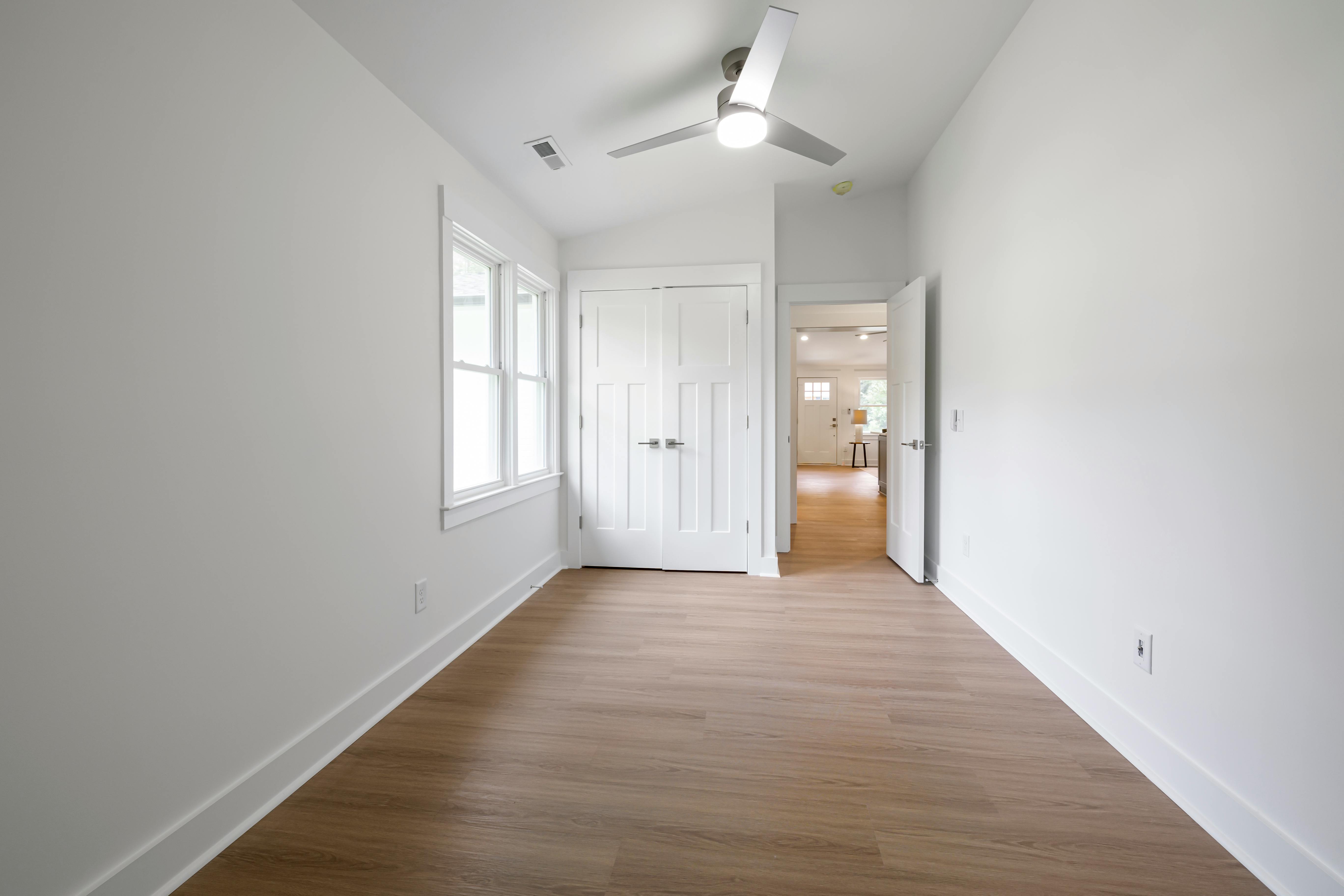
Housing preferences evolve as lifestyles, technology, and daily routines change. Homes designed with long-term adaptability often remain desirable even as trends shift. A future-ready layout focuses on practical living patterns rather than temporary design fashions.
One important aspect of long term planning involves avoiding overly specialized spaces. Rooms designed for extremely specific purposes may limit how future buyers imagine using the home. In contrast, layouts that emphasize comfort, openness, and flexibility usually remain attractive across many years.
Professionals who study housing trends often observe that adaptable structures maintain stronger interest over time. Many top realtors recognize that practical layouts continue attracting buyers long after decorative trends fade. When a home’s structure supports evolving lifestyles, resale potential remains more stable.
Future ready homes also tend to perform well within the broader real estate landscape. Buyers searching for long-term value often prefer properties that offer functional living arrangements rather than complicated or restrictive designs.
Thoughtful layouts support evolving household needs, from growing families to remote work arrangements and multigenerational living. Flexible structures allow owners to adjust the environment gradually rather than undertake major renovations.
By focusing on comfort, accessibility, and adaptability, a home becomes more resilient to changing expectations. Layouts that prioritize practical living patterns frequently maintain strong buyer appeal for many years, helping protect long term resale value.

Planning Your Next Move With Confidence
Finding a home with the right layout requires thoughtful guidance and a clear understanding of how design choices influence long-term value. Smith Top Team Realtors works closely with buyers and sellers who want practical insight when navigating the housing journey. Our team understands that layout, comfort, and functionality play an important role when evaluating properties and planning for the future.
With experience helping clients explore opportunities across the Camp Hill real estate market, our approach focuses on identifying homes that support everyday living while maintaining strong resale potential. We believe every client deserves careful attention, honest guidance, and a smooth process from start to finish. Through our knowledge and dedication, we help simplify decisions that often feel overwhelming. If you are preparing to purchase, sell, or simply explore your options, support from experienced real estate agents in Camp Hill PA can make the process far more confident and informed. Reach out today and allow our team to help you move forward with clarity while exploring the opportunities that best match your goals.
FAQs:
1: Why does a home’s layout impact resale value?
A thoughtful layout influences usability, privacy, and flow, making the property more attractive to future buyers.
2: What layout features do buyers look for?
Open floor plans, functional room flow, balanced bedroom placement, and adaptable spaces are highly valued.
3: How does flexible living space add value?
Rooms that can serve multiple purposes accommodate lifestyle changes, appealing to a wider range of buyers.
4: Why is separation between public and private areas important?
It ensures comfort, privacy, and organization, improving both daily living and long-term appeal.
5: How can buyers find homes with future-ready layouts?
Work with experienced real estate agents who understand local trends and practical design choices, such as in the Camp Hill real estate market.